Police
111
Ambulance
111
Tourist Police
N/A
Risk Map & Attractions
Common Scams
The Corrupt Taxi Meter
Unlicensed or rogue taxi drivers, particularly operating from the airport or major transport hubs, will claim their meter is broken or take unnecessarily long routes to inflate the fare, sometimes charging tourists hundreds of dollars for a short trip. They may also demand a high, non-negotiable price upfront.
Only use reputable taxi companies (e.g., Co-op Taxis) or ride-sharing apps. Confirm the fare estimate before starting the journey. Note the driver's ID and vehicle license plate. Never get into a taxi where the driver claims the meter is broken.
The 'Accidental Spill' Pickpocket
A scammer or a pair of scammers will 'accidentally' spill a drink, sauce, or other substance on the tourist. While one person profusely apologizes and helps to clean the mess, the other uses the distraction to pickpocket wallets, phones, or bags.
Immediately step away from the person and secure your belongings before attempting to clean up. Be wary of anyone who gets too close during the 'cleanup' process. Keep valuables in zipped, hard-to-reach pockets.
The Bar 'Friend' and Inflated Bill
A friendly local (the scammer) will strike up a conversation with a tourist, often in a tourist area, and suggest moving to a 'great' bar they know. The bar is complicit, and after a few drinks, the tourist is presented with an outrageously high bill. Refusal to pay can lead to intimidation by bouncers.
Be cautious of strangers who are overly friendly and insist on taking you to a specific bar. Always check the price list before ordering and pay for your own drinks as you go. Stick to well-known, reputable establishments.
The Friendly ATM Helper
A seemingly helpful person approaches a tourist struggling at an ATM, offering assistance. While distracting the victim, they either swap the card for a fake one (the 'Lebanese Loop' variant is less common but possible) or use a hidden camera/shoulder-surfing to capture the PIN, then use a card skimmer to clone the card.
Never accept help from strangers at an ATM. Cover the keypad when entering your PIN. Use ATMs inside banks or well-lit, secure areas. Check the card slot for any loose or suspicious attachments (skimmers).
The Rental Vehicle Damage Claim
After a tourist rents a car or campervan, the rental company (or a rogue employee) falsely accuses them of causing pre-existing damage upon return. They demand an immediate, often exorbitant, payment for repairs, threatening to withhold the security deposit or involve police.
Thoroughly inspect the vehicle before driving off and take time-stamped photos or videos of all existing damage. Insist that all pre-existing damage is noted on the contract. Use a credit card for the deposit, as it offers better protection than a debit card.
The Fake Photo Drop
A scammer asks a tourist to take their picture with a camera. When the tourist hands the camera back, the scammer 'accidentally' drops it and blames the tourist for the damage, demanding money for a replacement or repair. This is a common distraction technique for an accomplice to pickpocket.
Politely decline to take photos for strangers, especially with expensive-looking equipment. If you must, ensure you only hand the camera back when the person is ready to receive it and keep your other hand on your valuables.
The 'Free' Gift/Bracelet Scam
A scammer approaches a tourist in a busy area and offers a 'free' gift, such as a bracelet, flower, or small trinket. Once the tourist accepts or touches the item, the scammer aggressively demands payment, often causing a scene to pressure the victim into paying a small, inflated amount to avoid confrontation.
Firmly refuse any 'free' gifts and keep walking. Do not accept or touch the item, as this is often used as justification for payment. Do not engage in conversation with the scammer.
The Fake Accommodation Booking
Scammers create sophisticated fake websites or listings on legitimate platforms for non-existent hotels, hostels, or rental properties in Auckland. Tourists pay a deposit or the full amount online, only to arrive and find the accommodation does not exist or the booking is not valid.
Only book through official hotel websites or highly reputable booking platforms. Check for reviews on multiple independent sites. If booking a private rental, use platforms with strong buyer protection and never transfer money directly via bank transfer.
The Guessing Game Distraction
A group of scammers runs a street game (e.g., shell game, three-card monte) in a public area. While one person acts as the trickster and others act as 'shills' winning money, the crowd of onlookers is distracted, making them easy targets for pickpockets operating within the crowd.
Avoid street gambling games entirely. They are rigged, and the crowd is a prime target for theft. If you stop to watch, keep your hands on your valuables and be aware of your surroundings.
The Phishing SMS/Phone Scam
Tourists receive unsolicited text messages (smishing) or phone calls claiming to be from a bank, the police, or a government agency (like Immigration NZ). The message contains a link to a fake website to 'verify' details or demands immediate payment, aiming to steal personal and financial information.
Never click on links in suspicious text messages or emails. Legitimate organizations will not demand immediate payment or personal details over the phone or via text. If in doubt, call the official organization's number directly (do not use the number provided in the message).
The Asking Directions Distraction
A scammer approaches a tourist with a large map or piece of paper, asking for directions. The map is used to cover the tourist's belongings, allowing the scammer or an accomplice to quickly steal items from a bag or table while the tourist is focused on the map.
Be cautious when a stranger uses a large object to get close to you. Keep your bag secure and in front of you. If you help, maintain a physical distance and keep your hands free to protect your belongings.
Safe Attractions
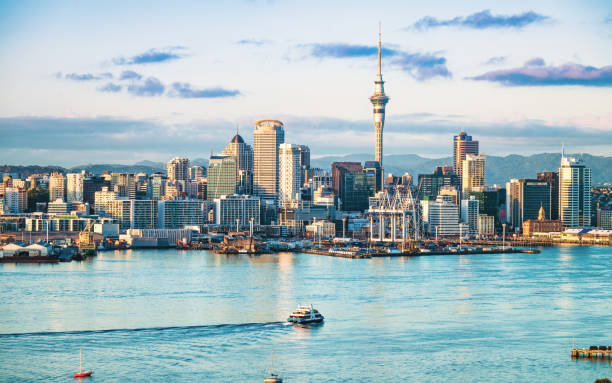
Sky Tower
A telecommunications and observation tower in Auckland.
Waiheke Island
Known for its vineyards and beaches.