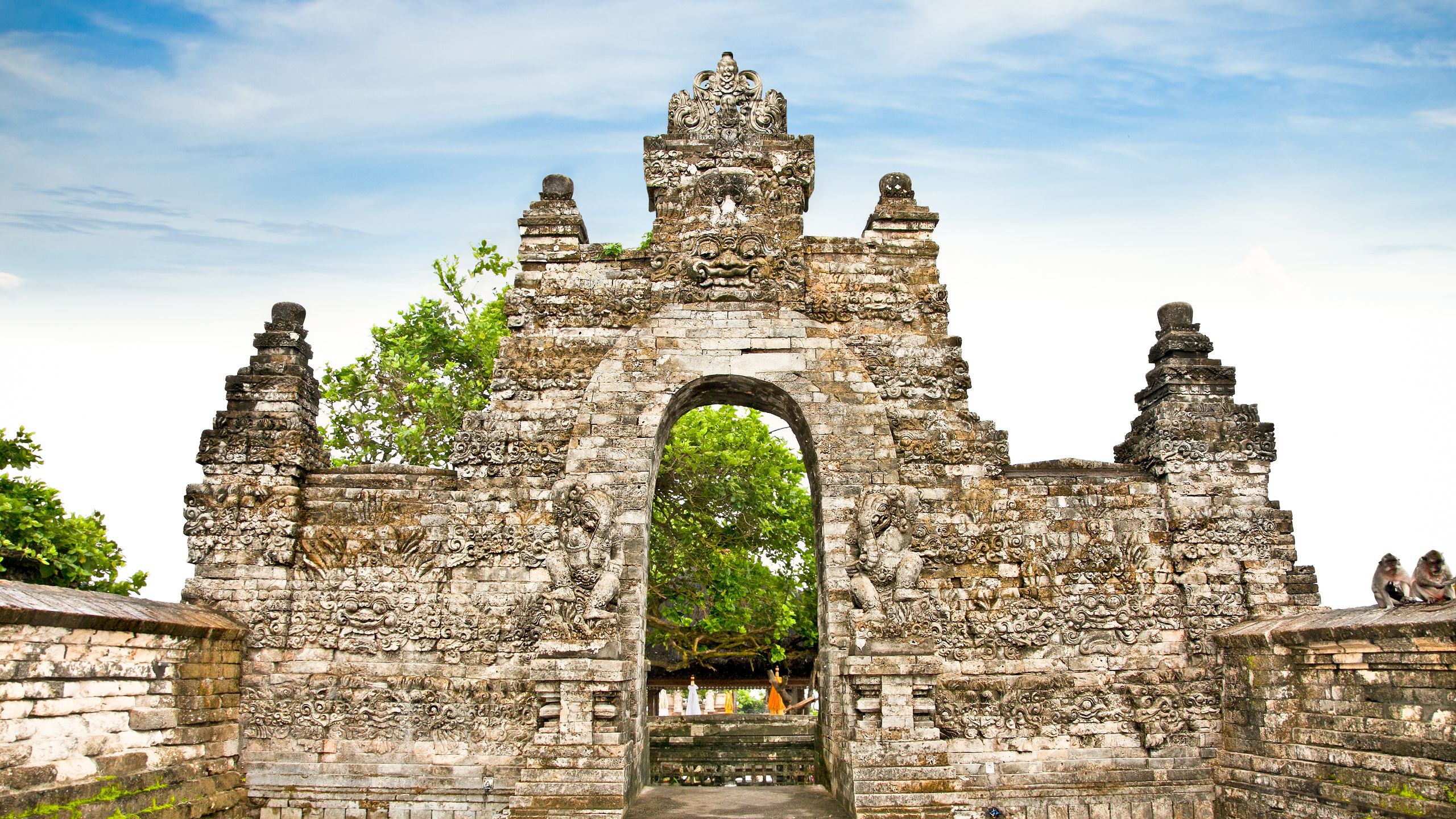
Bali
An Indonesian island known for its forested volcanic mountains, iconic rice paddies, beaches and coral reefs.
Police
110
Ambulance
118
Tourist Police
(0361) 754599
Risk Map & Attractions
Common Scams
Shady Money Changers
Unlicensed money changers use sleight-of-hand tricks to shortchange tourists during currency exchange. They attract customers with slightly better rates, then palm bills or swap them during the counting process.
Only use authorized money changers like BMC or Central Kuta, or exchange currency at a bank. Always count your money twice before leaving the counter.
ATM Skimming and Card Trapping
Scammers install skimming devices on ATMs to steal card information and PINs. In other cases, the ATM is rigged to 'swallow' the card, and a bystander offers to 'help' while stealing the card details.
Use ATMs located inside bank branches (BCA, BNI, Mandiri). Cover your hand when entering your PIN and avoid isolated or suspicious-looking machines.
The 'Broken Meter' Taxi Scam
Taxi drivers, particularly in high-traffic tourist areas, claim their meter is broken and then charge a highly inflated flat rate for the journey. This is one of the most common taxi-related scams.
Insist on using the meter. Only use reputable taxi companies like Bluebird Group (light blue taxis with a bird logo). Alternatively, use ride-hailing apps like Gojek or Grab.
Aggressive Airport Transfer Touts
Upon arrival at the airport, tourists are swarmed by unofficial 'taxi' drivers offering rides at exorbitant prices, often two to three times the standard fare. They can be very persistent and follow tourists through the terminal.
Arrange for an airport transfer in advance through your hotel or a reputable online service. Alternatively, use the official airport taxi counter or a ride-hailing app.
Fake Ride-Hailing Drivers
Fraudulent drivers wearing fake Gojek or Grab jackets and helmets approach tourists who are waiting for a ride they booked through the app. These drivers are not connected to the app and will demand a higher cash fare upon arrival.
Always verify the driver's name, photo, and license plate number in the app before getting into the vehicle. Do not accept rides from drivers who approach you on the street.
Scooter Rental Damage Scam
Upon returning a rented scooter, the owner points out pre-existing scratches or damage and demands a large sum of money for repairs. This scam relies on tourists not documenting the scooter's condition beforehand.
Thoroughly inspect the scooter before renting it and take photos and videos of any existing damage in the presence of the rental agent. Rent from reputable companies.
Mandatory Temple 'Donations'
At the entrance to temples, scammers posing as officials demand a 'mandatory donation' for entry. They may use a guestbook showing large 'donations' from other tourists to pressure visitors into paying.
Most temples have an official ticket counter. Ignore anyone demanding a donation before you reach the official entrance. Donations are almost always optional.
The 'Tourist Price' at Markets
Vendors at local markets quote a much higher price for goods to tourists than they would for locals. The initial price can be several times the actual value of the item.
Haggle respectfully but firmly. As a general rule, start by offering one-third of the asking price and negotiate from there. Be prepared to walk away if the price is too high.
Arak/Methanol Poisoning from Tainted Drinks
In some bars and clubs, cheap, locally produced spirits (arak) are passed off as more expensive imported liquors like vodka. Poorly distilled arak can contain methanol, which can cause serious illness, blindness, or death.
Be wary of unusually cheap cocktails and spirits. Stick to reputable bars and watch the bartender pour your drink from a sealed, branded bottle. When in doubt, order a sealed beer.
Distraction Theft by 'Friendly' Locals
A common street scam where one person engages a tourist in a friendly conversation to create a distraction, while an accomplice discreetly steals valuables like phones or wallets from the table or a bag.
Keep your valuables secure and out of sight, especially in crowded areas like night markets. Be cautious of overly friendly strangers who approach you without a clear reason.
Safe Attractions
Uluwatu Temple
A Balinese Hindu sea temple located in Uluwatu.
Sacred Monkey Forest
A nature reserve and Hindu temple complex in Ubud.