Police
110
Ambulance
120
Tourist Police
010-65130828
Risk Map & Attractions
Common Scams
The Tea Ceremony Scam
A friendly local, often a young woman or student, approaches tourists near major attractions, claiming to want to practice English. They invite the tourist to a nearby 'tea house' or 'art gallery' for a cultural experience. After a short time, the tourist is presented with an exorbitant bill for the tea or services, often hundreds or thousands of RMB, and the 'friend' disappears or pressures them to pay.
Politely decline any unsolicited invitations from strangers to go to a bar, tea house, or art gallery. Never pay for anything without seeing a price list first. If pressured, call the police (110) or seek help from hotel staff.
The Black Taxi and Meter Scam
Unlicensed taxis ('black taxis') or even licensed taxis with rigged meters operate, especially at airports, train stations, and tourist spots. They will refuse to use the meter, quote an inflated price, or use a meter that runs excessively fast. Another variation is the short-change scam using fake or old banknotes.
Only use official, metered taxis or ride-hailing apps like Didi. Always check the driver's license displayed on the dashboard. Have small denominations of cash ready to avoid the fake money change scam. Note the taxi license plate number before getting in.
The Great Wall 'Wrong Bus' Scam
Scammers, sometimes wearing fake uniforms, intercept tourists trying to take public transport (like Bus 916 or 980) to the Great Wall (e.g., Mutianyu or Badaling). They tell tourists the official bus is cancelled or full and direct them to an unofficial, overpriced minibus or a 'tour' that includes forced shopping stops.
Research the exact official bus number, route, and stop beforehand. Only board buses at the official bus station. Ignore anyone who approaches you outside the station claiming to be a guide or official staff. Book tours through reputable agencies only.
The Art Student/Gallery Scam
A young person approaches the tourist, often claiming to be an art student or teacher, and invites them to view their 'private exhibition' or 'studio'. The tourist is then pressured into buying grossly overpriced, mass-produced paintings or calligraphy, often for hundreds of dollars.
Be wary of anyone who approaches you on the street to strike up a conversation, especially near art districts or universities. Politely decline any invitation to a private gallery or studio. Genuine artists do not typically solicit sales on the street.
The Rickshaw Overcharge Scam
Rickshaw drivers in Hutong areas will offer a short tour for a low price, but once the ride is over, they demand a much higher fee, sometimes claiming the agreed price was 'per person' or 'per minute'. They may also take tourists to overpriced shops where they receive a commission.
Agree on the total price *in writing* before getting in, and confirm it is for the entire ride, not per person. Better yet, book a Hutong tour through a reputable hotel or tour company. Only pay the agreed-upon amount.
The Fake Monk 'Blessing' Scam
Individuals dressed as Buddhist monks or nuns approach tourists in busy areas, offering a 'blessing' or a small charm (like a bracelet or amulet). After the tourist accepts the item, the 'monk' aggressively demands a large 'donation' for the temple or for the blessing.
Do not accept anything offered by strangers on the street, especially those in religious attire. Politely but firmly refuse to engage and keep walking. Genuine monks do not solicit donations in this manner in tourist areas.
The Counterfeit Money Change Scam
A common scam where small vendors, taxi drivers, or even cashiers will swap a genuine large banknote (e.g., 100 RMB) with a fake one during the change process, then claim the tourist gave them a fake note and demand a new one. The tourist ends up losing the value of the original note and the fake note.
Pay with small denominations whenever possible. When receiving change, quickly check the security features of the 50 and 100 RMB notes. Do not let the note leave your sight once you hand it over. Use mobile payment (WeChat Pay/Alipay) where accepted to avoid cash entirely.
The Forbidden City 'ID Check' Scam
Scammers near the Forbidden City or Mao's Mausoleum approach tourists, claiming that they need an official ID or special permit to enter, or that the attraction is closed. They then offer to take the tourist to a 'special' entrance or a different, more expensive tour/attraction.
Always carry your passport (required for entry to most major sites). Check official opening times and ticket requirements online. Ignore unsolicited advice from people outside the official ticket office or entrance.
The Gemstone/Antique Street Scam
A scammer befriends a tourist and invites them to a 'family shop' or 'antique market' to buy a 'valuable' item, such as a jade carving or antique porcelain, at a 'special' price. The items are worthless fakes, and the tourist is heavily overcharged.
Never buy expensive items from street vendors or shops you are led to by a stranger. Assume all 'antiques' or 'gems' are fake unless purchased from a highly reputable, established dealer. Do not let a stranger guide your shopping decisions.
The Fake Tour Guide Scam
Individuals hang around outside major tourist sites (like the Temple of Heaven or Summer Palace) offering their services as a 'private guide'. They lack proper knowledge, may charge an excessive fee, and often rush the tour to take the tourist to a commission-based shop or restaurant.
Only hire licensed guides through official tour companies or your hotel. Check for official identification. Consider using a reputable audio guide instead. Never pay the full fee upfront.
The 'Help Me' ATM Scam
A scammer watches a tourist at an ATM. When the tourist's card is 'swallowed' (often after the scammer has tampered with the machine), the scammer offers to 'help' by calling a fake number posted nearby. While the tourist is distracted, the scammer retrieves the card and later uses it.
Only use ATMs inside major bank branches during business hours. Never accept help from strangers at an ATM. If your card is swallowed, immediately call the official bank number (which you should have saved) and report it.
Safe Attractions
Great Wall of China
Ancient fortification and world wonder.
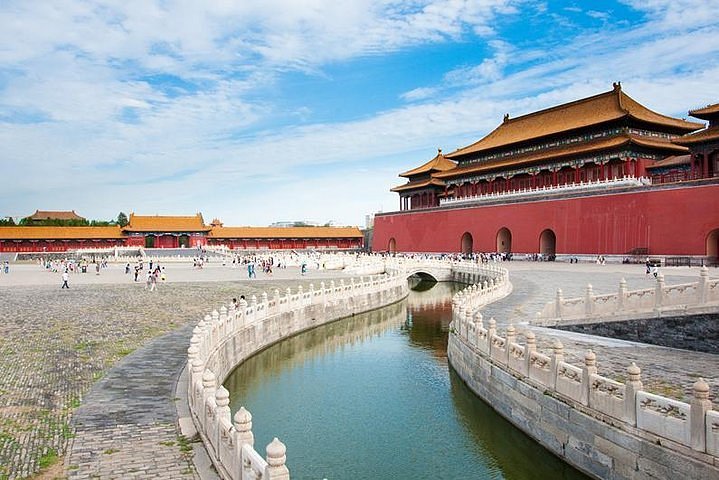
Forbidden City
Imperial palace complex from the Ming and Qing dynasties.
Temple of Heaven
Imperial complex of religious buildings.
Summer Palace
Vast ensemble of lakes, gardens, and palaces.
Tiananmen Square
One of the largest public squares in the world.