Police
123
Ambulance
123
Tourist Police
N/A
Risk Map & Attractions
Common Scams
The 'Pay Whatever' Shoe Shine Scam
Street vendors, often shoe cleaners in tourist areas, will insist on providing a service for a very low price (2,000-4,000 COP) or tell you to 'pay whatever you think it's worth.' Once the service is complete, they will aggressively demand an exorbitant amount, typically 50,000 to 100,000 COP or more, and may become confrontational if you refuse.
Always agree on a fixed price before any service begins. Decline services from vendors who approach you in tourist areas. Carry small bills to avoid showing large amounts of cash.
The 'Free Gift' Bracelet Scam
A scammer, often claiming to be a migrant, will approach you in a tourist area and offer a 'free gift,' such as a string or twine bracelet. They will quickly tie it onto your arm so it cannot be easily removed, and then aggressively demand a high payment (50,000-100,000 COP) for the now 'non-free' item.
Firmly say 'No, gracias' and walk away. Do not accept anything offered for free, and do not allow anyone to touch you or tie anything onto your person.
The Fake Police Inspection Scam
Individuals, often in plain clothes, pose as police officers and stop tourists, claiming they need to inspect their money for counterfeits or check documents. They will use this distraction to steal your real money, replacing it with a fake receipt or a small amount of counterfeit cash, and direct you to a non-existent police station.
Never hand over your money or documents. Carry a photocopy of your passport, not the original. Politely ask for a uniformed officer on a motorcycle to be called to witness the procedure. Do not get into a vehicle with them.
The Sneaky Distraction Pickpocket
A scammer or a group of accomplices will create a sudden distraction (e.g., spilling a drink, asking for directions, dropping an item, or a sales pitch) to divert your attention while an accomplice pickpockets your wallet, phone, or steals unattended bags.
Be highly aware in crowded areas. Carry bags and backpacks in front of you. Keep wallets in a front pocket. If a distraction occurs, immediately secure your belongings and walk away.
Gringo Pricing and Overcharging
Foreigners are charged significantly inflated prices for goods and services, a practice colloquially known as 'gringo pricing.' This can happen with informal vendors, taxis, and even in some restaurants or when taking photos with local street performers.
Always ask for the price before consuming or purchasing anything. Negotiate the price firmly. Check prices at nearby establishments or use ride-hailing apps with fixed fares (like InDrive) to establish a baseline.
The Counterfeit Goods Trap
Vendors sell fake or counterfeit versions of designer clothing, electronics, or traditional artisan products at prices that are too low to be genuine, leading to financial loss and disappointment when the poor quality is revealed.
If the price is too good to be true, assume the item is fake. Purchase high-value items only from reputable retail stores in upmarket areas. Ask your hotel for recommendations for legitimate artisan shops.
The Banknote Switcheroo
A taxi driver or vendor quickly switches a large banknote you paid with (e.g., 20,000 COP) for a smaller denomination (e.g., 2,000 COP) and claims you paid less, demanding the full amount again. Alternatively, they may give you counterfeit notes as change.
Use small banknotes for purchases. Announce the value of the note you are handing over. Inspect change immediately for authenticity (feel the texture, check the security strip).
The Roundabout Taxi Ride
Taxi drivers take an unnecessarily long and circuitous route to the destination to inflate the metered fare, targeting tourists who are unfamiliar with the city's geography.
Use a ride-hailing app (like InDrive or Uber) that tracks the route and provides a fixed or estimated fare. Use an offline GPS map on your phone to monitor the route and politely correct the driver if they deviate significantly.
ATM and Card Skimming/Cloning
Scammers use 'skimming' devices installed over the card slot of ATMs or legitimate store card readers to steal your card details. They may also use hidden cameras to capture your PIN, which is then used to clone your card and drain your bank account.
Only use ATMs inside banks or major shopping centers during business hours. Wiggle the card slot and keypad before use to check for loose parts. Always cover the keypad when entering your PIN. Use a prepaid travel card (like Wise) with limited funds.
The Bird Poop Distraction
An accomplice throws a white, paste-like substance (often mayonnaise) onto the victim, making it look like bird droppings. A 'friendly' local then rushes to help clean the mess, using the distraction to pickpocket the victim's valuables.
If this happens, immediately refuse any help, loudly state that it is a scam (e.g., 'Es mayonesa!'), and walk quickly into a safe, well-lit establishment to clean yourself up. Do not let anyone touch you.
The Picture-Taking Damage Scam
A local will ask a tourist to take their picture with their camera or phone. When the tourist hands the device back, the local purposely drops it and blames the tourist for the damage, pressuring them to pay an inflated amount for the repair or replacement.
Politely decline any requests from strangers to take their picture, especially if they are using an older or expensive-looking device. Only take pictures for younger locals using modern, expensive phones (like iPhones), as they are less likely to be part of the scam.
The Airbnb Deposit Fraud
Scammers post fake, professional-looking listings for rental properties in prime areas at suspiciously low prices. They insist on a deposit via an untraceable method (like Western Union or direct bank transfer) outside of the official booking platform, and then disappear once the money is sent.
Only book initial accommodation through official, secure platforms like Airbnb or reputable hotels. Never pay a deposit or full rent outside of the platform's secure payment system. Be wary of listings that are significantly cheaper than the market rate.
Online Dating Robbery (Tinder Scam)
Scammers create attractive fake profiles on dating apps (like Tinder) to lure in unsuspecting tourists. They arrange a meeting, often in a private or less-public location, where the victim is then robbed, drugged, or extorted by the scammer and their accomplices.
Be extremely cautious when using dating apps. Always meet in a public, well-lit, and crowded place for the first few dates. Inform a friend of your location. Be wary of profiles with few photos or no social media links.
Safe Attractions
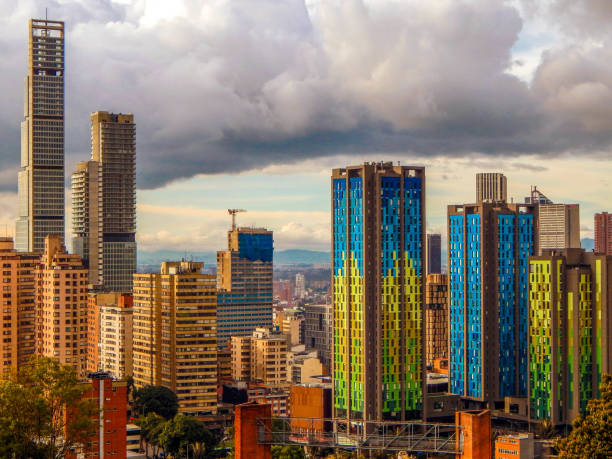
Gold Museum
A museum located in Bogotá displaying an extraordinary selection of pre-Hispanic gold work.
Monserrate
A high mountain over 10,000 feet high that dominates the city center of Bogotá.