Police
107
Ambulance
104
Tourist Police
438-8080
Risk Map & Attractions
Common Scams
The Menu Switcheroo
A common restaurant scam where tourists are initially shown a menu with reasonable prices. After ordering, the waiter swaps the menu for a second version with significantly inflated 'tourist prices' to justify an exorbitant bill. The original menu is then claimed to be 'magically gone'.
Always keep the menu with you until the bill is paid. Check recent online reviews for warnings about price gouging. Confirm prices before ordering, especially for daily specials or items without a clear price.
The Bar Girl Invitation Trap
An attractive local (male or female) approaches a tourist, often near nightlife areas or via dating apps, and invites them to a specific, often nearly-empty bar. Once inside, the scammer orders expensive drinks for themselves and the tourist. The tourist is then presented with an outrageously high bill and strong-armed or intimidated into paying by bouncers or 'managers'.
Politely decline invitations from strangers to specific bars. Never accept unsolicited drinks. Always check the price list before ordering and keep the menu visible on your table.
Unofficial Taxi 'Hyenas'
Unlicensed taxi drivers, often referred to as 'hyenas', lurk around major transport hubs and tourist spots. They approach tourists directly, offering a 'good deal' but refuse to use the meter, quote a flat rate that is triple the normal fare, or take a much longer route to inflate the price. They are not registered, offering no recourse if something goes wrong.
Never hail a taxi on the street or accept offers from drivers who approach you. Only use official yellow taxis (like Főtaxi or City Taxi) or ride-hailing apps like Bolt or Uber.
The Extra-Zero Payment Trick
Scammers, typically taxi drivers, restaurant staff, or souvenir shop clerks, take advantage of the high numbers in Hungarian Forint (HUF). When processing a card payment, they sneakily add an extra zero to the amount on the payment terminal (e.g., turning 8,000 HUF into 80,000 HUF) while distracting the customer or hiding the screen. The tourist only realizes the overcharge later via their banking app.
Always double-check the amount on the terminal screen before tapping or inserting your card. Take your time and ask for a printed receipt to verify the charge.
Fake Ticket Inspector Fine
Scammers pose as plainclothes ticket inspectors for the Budapest Transport Authority (BKK). They target tourists, claiming their ticket or pass is invalid (often due to a missing stamp or improper validation) and demand an on-the-spot 'fine' in cash, which they pocket. Real BKK inspectors wear official uniforms or clearly display ID and issue official receipts for fines.
Always validate your public transport ticket immediately. If approached by an inspector, ask to see their official ID and uniform. Never pay a fine in cash on the spot; insist on paying at a BKK office or through the official process.
The ATM 'Helper' Distraction
A seemingly friendly local approaches a tourist using an ATM, offering 'help' with the transaction or claiming the machine is malfunctioning. This is a distraction technique. While the tourist is focused on the 'helper', an accomplice either steals the cash left in the machine or uses the distraction to skim the card or steal the wallet/purse.
Never accept help from strangers at an ATM. Use ATMs located inside bank branches during business hours. Shield the keypad when entering your PIN and ensure your card and cash are secured before walking away.
Fake Police Cash Inspection
Scammers, sometimes working in pairs, pose as plainclothes police officers or officials. They flash a fake badge and claim they are investigating counterfeit money or drug trafficking, asking to 'inspect' the tourist's cash and passport. They use sleight of hand to steal a portion of the money while pretending to count or examine it.
Real Hungarian police officers in plain clothes will never ask to inspect your cash. Ask for their official ID and badge number. Offer to go to the nearest police station or call the emergency number (112) to verify their identity. Never hand over your wallet or cash.
Currency Exchange Rip-Offs
Unscrupulous exchange offices, roadside money changers, and private ATMs in tourist areas offer extremely poor exchange rates or charge hidden, high transaction fees. They often advertise a very favorable 'buy' rate to lure customers, but the 'sell' rate (what the tourist receives) is significantly worse.
Avoid private ATMs (like Euronet) and roadside changers. Use ATMs from major Hungarian banks (like OTP Bank) or reputable exchange offices (like Correct Change). Pay by card whenever possible and always choose to be charged in the local currency (HUF) for the best rate.
Distraction Pickpocketing
A team of pickpockets works together to distract the victim before stealing their valuables. Distractions can include bumping into the victim, dropping something, asking for directions, or creating a sudden commotion. This is particularly common in crowded, confined spaces.
Keep bags zipped and worn in front of your body. Avoid placing phones or wallets in back pockets. Be wary of anyone who bumps into you or tries to distract you in a crowded area. Never hand your phone to a stranger for a photo.
The 'Charity' Donation Scam
Scammers, often young women or children, approach tourists in busy areas with a clipboard or a small trinket (like a bracelet or flower). They insist the tourist take the item, then aggressively demand a 'donation' or payment for a fake charity. Once the item is in the tourist's hand, it becomes difficult to refuse payment.
Do not engage with people offering unsolicited items or asking for signatures. If someone tries to hand you something, firmly refuse and keep walking. Legitimate charity workers will have clear identification and official collection boxes.
Safe Attractions
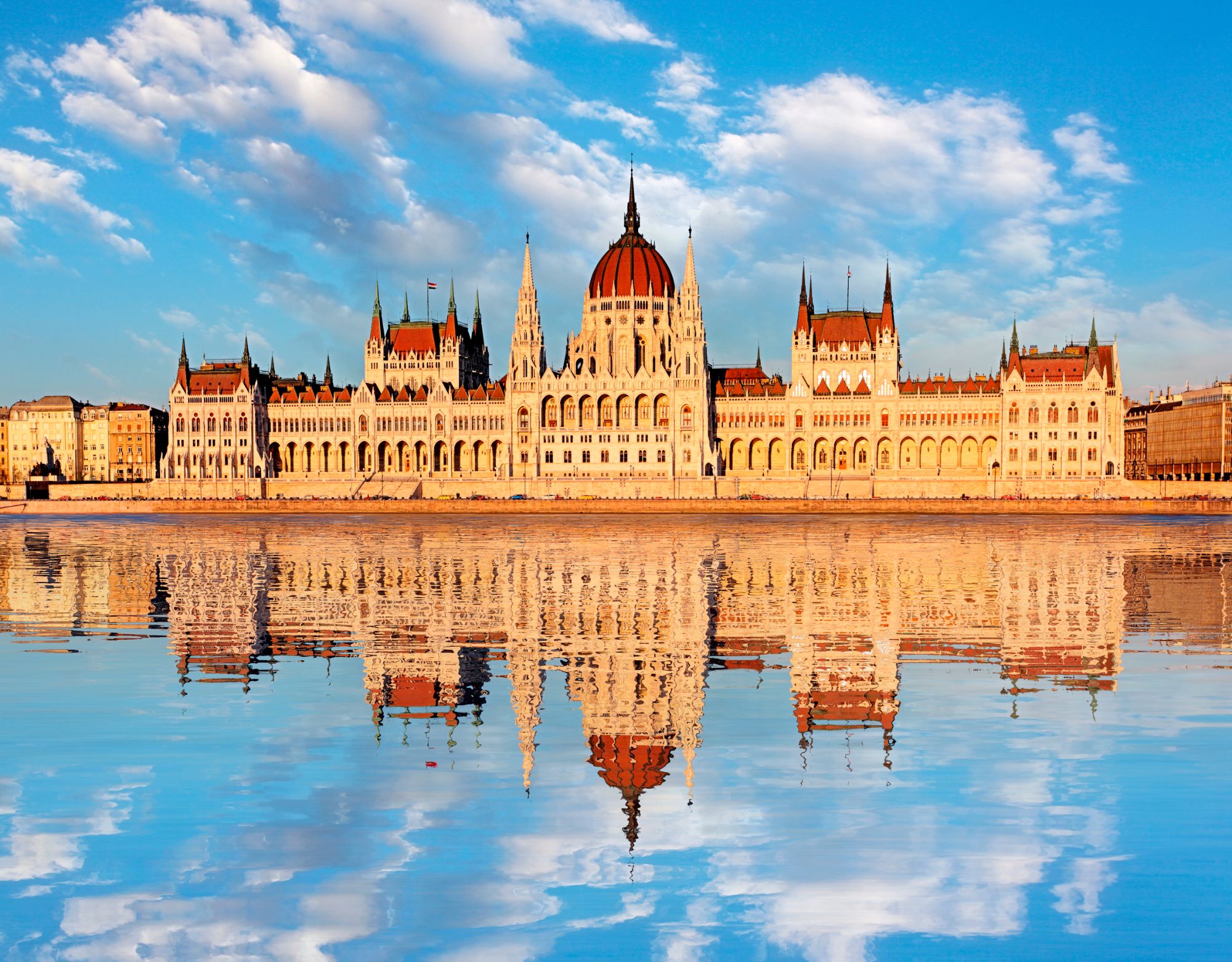
Hungarian Parliament Building
Seat of the National Assembly of Hungary.
Buda Castle
Historical castle and palace complex.
Fisherman's Bastion
Terrace with panoramic views of Budapest.
Széchenyi Thermal Bath
Largest medicinal bath in Europe.
Chain Bridge
Suspension bridge spanning the River Danube.