Police
122
Ambulance
123
Tourist Police
126
Risk Map & Attractions
Common Scams
The Taxi Meter is Broken
Taxi drivers, especially from the airport or train station, will claim their meter is broken and demand an exorbitant flat rate, or agree on a price and then demand more upon arrival. They may also take a deliberately long route.
Use ride-sharing apps (Uber/Careem) or pre-arrange airport transfers. If using a taxi, agree on the price *before* getting in and have the exact fare ready. Use GPS to monitor the route.
The Fake Ticket Checker/Guard
Scammers dressed in official-looking uniforms (sometimes fake security or museum staff) will approach tourists near ticket booths or entrances, claiming to check tickets or demanding a 'special fee' or 'tip' to enter the site or a specific area.
Only show your ticket at the official, clearly marked turnstiles or checkpoints. Ignore anyone in a uniform who is not behind a counter or official barrier. Official staff will not ask for tips.
The 'Free' Gift/Bracelet Trap
A vendor will approach you and insist on giving you a small item (a bracelet, a small souvenir) as a 'gift' or a 'token of friendship.' Once you accept it, they will aggressively demand payment, often causing a scene.
Never accept anything offered to you for free. Politely but firmly say 'La shukran' (no thank you) and keep walking. Do not let them put anything in your hand or on your wrist.
The Camel/Horse Ride Price Trap
You agree on a low price for a ride, but once you are on the animal, the handler will stop halfway and demand a much higher fee to let you off, effectively holding you hostage until you pay the inflated price.
Avoid all animal rides at the Giza plateau. If you must ride, negotiate the *total* price, the *duration*, and the *drop-off point* in advance, and pay only *after* the ride is complete.
The Fake Papyrus/Souvenir Scam
Vendors sell souvenirs, especially papyrus scrolls, claiming they are genuine, but they are often made from cheap materials like banana leaves or plastic, which will quickly deteriorate or flake apart.
Only buy papyrus from certified, reputable institutes (like the Papyrus Institute) or government-approved shops. Ask for a demonstration of the papyrus-making process.
The Photo Helper/Guard Scam
People, sometimes dressed as guards or just locals, will offer to take your photo at a scenic spot, or deliberately step into your shot. After taking the picture, they will demand a large tip for their 'service' or for moving out of the way.
Do not hand your camera or phone to strangers. Be firm and walk away if someone demands money for an unsolicited service. Carry small change for legitimate tips, but do not reward aggressive behavior.
The 'Closed' Attraction Scam
A friendly local or taxi driver will tell you that the attraction you are heading to (e.g., the Pyramids, a museum) is 'closed for prayer,' 'closed for cleaning,' or 'only open to locals' and offer to take you to a different, more expensive shop or tour instead.
Always check the official opening hours online before you go. Ignore unsolicited advice from strangers on the street and insist on being taken to the official entrance.
The Counterfeit Currency Change Scam
When paying with a large bill, vendors or taxi drivers will return change in old, out-of-circulation, or foreign currency, or shortchange you, relying on your unfamiliarity with the local currency.
Always try to pay with small bills. Familiarize yourself with the current Egyptian Pound banknotes. Count your change carefully before leaving, and do not accept old or damaged notes.
The Fake Tour Operator/Booking Scam
Scammers pose as legitimate tour operators or hotel booking agents, taking full payment or a deposit online or in person, and then disappearing or providing a vastly inferior service than promised.
Only book with well-known, highly-rated international or local agencies. Verify the company's license and check independent reviews on multiple trusted forums. Never pay full cash upfront.
The Perfume/Oil Bait-and-Switch
At perfume shops, a vendor will let you sample a high-quality oil, but when they bottle it for you, they secretly switch it with a cheaper, diluted, or entirely different product.
Watch the bottling process closely. Insist that the oil is poured from the same bottle you sampled. Smell the final product before paying and ask for a receipt detailing the purchase.
The Shoe Shine Distraction Scam
A person will 'accidentally' spill something on your shoes or clothing, or offer an unsolicited shoe shine. While you are distracted, an accomplice will pickpocket your wallet or phone.
Be aware of your surroundings in crowded areas. Politely but firmly refuse any unsolicited services or help. Keep valuables secured in front pockets or a cross-body bag.
Safe Attractions
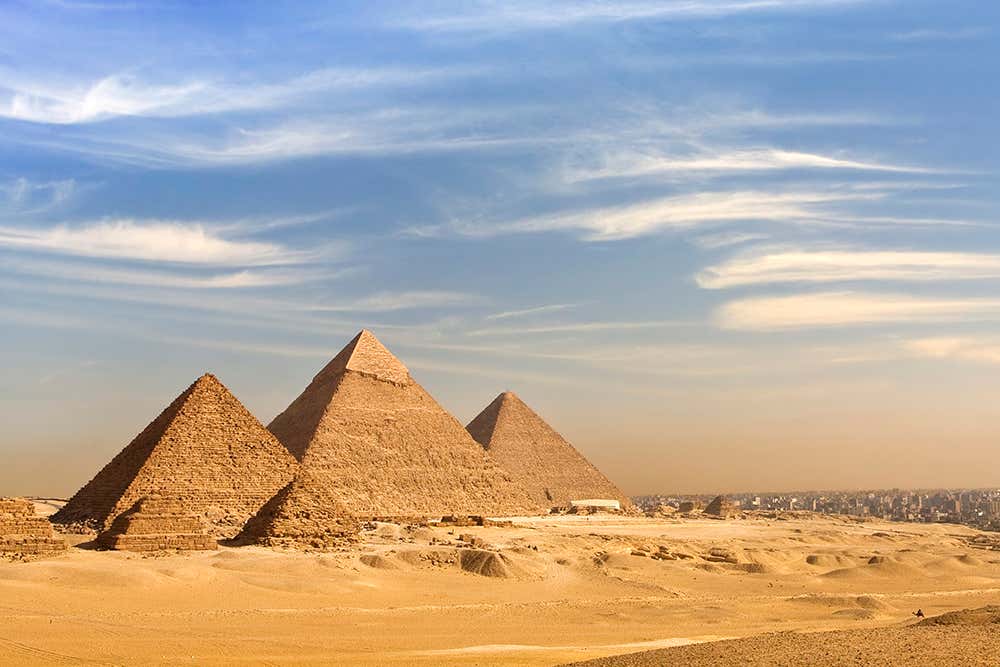
Pyramids of Giza
The oldest and largest of the three pyramids in the Giza pyramid complex.
The Egyptian Museum
Home to an extensive collection of ancient Egyptian antiquities.