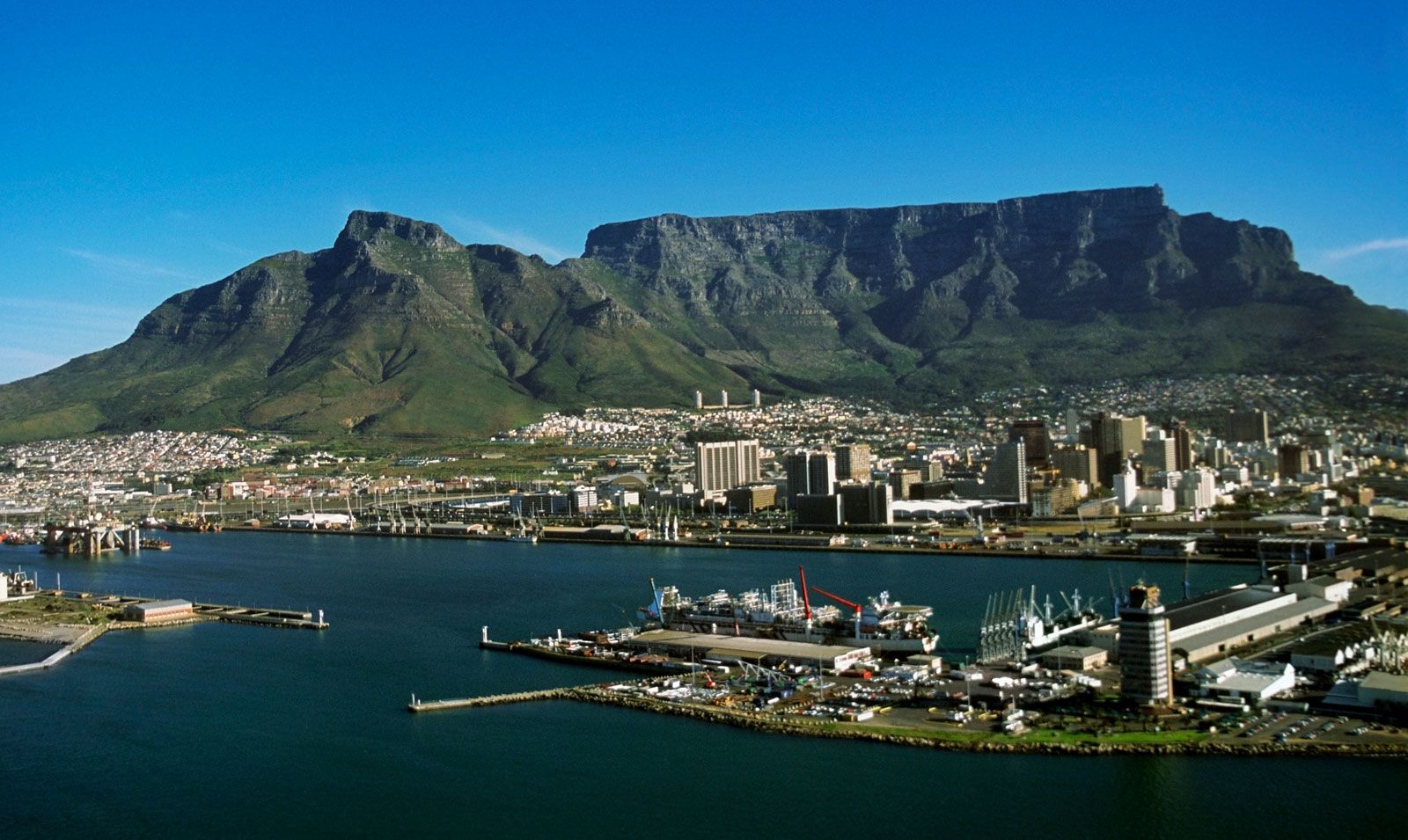
Cape Town
A port city on South Africa's southwest coast, on a peninsula beneath the imposing Table Mountain.
Police
10111
Ambulance
10177
Tourist Police
N/A
Risk Map & Attractions
Common Scams
The Overpriced Airport Taxi
Unofficial meter taxis and aggressive touts at the airport will significantly overcharge tourists, or claim to be 'offline Ubers' to lure them into unmarked, unverified vehicles. This poses a high financial risk and a potential safety concern due to unvetted drivers.
Only use official pre-booked transfers or verified e-hailing services (Uber/Bolt). Always verify the license plate and driver's name against the app before entering the vehicle. Never use meter taxis from the airport.
The Baby Formula and Nappy Ploy
A scammer approaches a tourist, often with a sad story, asking them to buy baby formula or nappies from a nearby shop. Once the tourist leaves, the scammer returns the items to the shop owner for cash, and they split the profit. This is a low-risk scam resulting in a small financial loss.
Politely decline and keep walking. Do not engage in conversation or agree to buy items for strangers.
The Emotional Sob Story Con
A well-rehearsed con artist approaches tourists with a detailed, emotional, and often shocking personal story (e.g., family rejection, illness) to solicit money or ask them to buy specific items. This is a persistent, low-risk scam that relies on exploiting tourist empathy.
Walk away immediately and do not engage in conversation, especially if the story seems overly dramatic or specific. Do not give money to street solicitors.
The Fake Walking Permit Scam
Scammers dressed as officials stop tourists, claiming they need a special, non-existent 'walking permit' and demand an on-the-spot payment. They may use a fake credit card machine to clone the tourist's card, turning a small demand into a major financial threat.
There is no such thing as a walking permit. Do not engage, refuse to pay, and keep walking. Real officials will not ask for random street payments.
The 'Helpful' ATM Assistant
A 'helpful' individual approaches a tourist using an ATM, offering assistance or claiming a special rule to distract them. The real goal is to steal the tourist's PIN or swap their card while they are distracted. This often involves working in teams and can lead to significant financial loss.
Only use ATMs inside a secure bank or mall. Never accept help from strangers at an ATM. Cover the keypad when entering your PIN and be aware of your surroundings.
The Fake Friend Distraction Theft
A scammer approaches a tourist in a busy area, pretending to know them with an enthusiastic greeting. This distraction allows an accomplice to pickpocket the tourist or snatch a bag/phone while the victim is confused and off-guard.
Be wary of strangers striking up conversations for no reason in busy areas. Secure your valuables, wear bags across your front, and walk away immediately if you feel uncomfortable.
The Smash and Grab
Opportunistic thieves target cars stopped at traffic lights or in slow-moving traffic, or even parked cars. They quickly smash a window or reach through an open one to grab visible valuables like phones, laptops, or bags. This is a violent crime with a risk of physical harm.
Always keep car windows up and doors locked, even when driving. Do not leave any valuables visible in the car, and place bags on the floor or in the boot.
E-hailing Overcharge and Robbery
E-hailing drivers (Uber/Bolt) may collaborate to overcharge tourists by taking long routes or manipulating the app. In severe cases, drivers or accomplices have been known to attack and rob passengers, especially late at night or in isolated areas.
Always verify the license plate and driver's name. Share your trip details with a friend. Never pay cash if the app is active. Travel in groups at night.
Fake Holiday Rental Scams
Scammers post fake holiday rental listings on popular platforms, using attractive photos and low prices to lure tourists. They pressure for an upfront payment via bank transfer. Tourists arrive to find the property non-existent or already occupied, leading to significant financial loss and being stranded without accommodation.
Only book through reputable, secure platforms. Never pay via direct bank transfer. Be suspicious of deals that are significantly cheaper than the market rate.
The Fake Diamond/Gemstone Scam
A scammer claims to have found or mined a valuable gemstone (like a diamond or tanzanite) and offers to sell it cheaply due to an urgent need for cash. They may use a fake jeweler to 'authenticate' the stone. The tourist purchases a worthless piece of glass or low-value mineral for a high price.
Never buy diamonds or precious stones from street vendors or unverified sources. Reputable jewelers do not operate this way. If a deal seems too good to be true, it is a scam.
Safe Attractions
Table Mountain
A flat-topped mountain forming a prominent landmark overlooking the city.
V&A Waterfront
A mixed-use development situated in the oldest working harbour in the Southern Hemisphere.