Police
100
Ambulance
102
Tourist Police
8750871111
Risk Map & Attractions
Common Scams
The Official Lie: Fake Tourist Office & Hotel Switch
A taxi or auto-rickshaw driver, or a tout, intercepts the tourist (often near the airport or railway station) and takes them to a fake 'Tourist Information Office.' There, an official-looking person claims the tourist's pre-booked hotel is closed, burnt down, or moved, and pressures them into booking a much more expensive tour or hotel package. The driver is complicit and receives a commission.
Always call your hotel directly to confirm your booking and its status. Only use government-authorized prepaid taxi booths. Know the address of the actual government tourist office (e.g., 88 Janpath Road) and insist on being taken there.
The ₹50 Thali Trap: Post-Meal Price Hike
Dhabas (small roadside restaurants), particularly those targeting tourists near the railway station, advertise a very cheap meal (e.g., ₹50 Thali). After the tourist finishes eating, the bill is inflated 10-20 times (e.g., ₹900) with the explanation that the advertised price only covered a few basic items, and the tourist consumed 'special' or 'unlimited' items at a premium price.
Confirm the exact price and what it includes *before* ordering. Stick to reputable, well-reviewed restaurants or use food delivery apps. Never eat at a place with suspiciously low prices near a major transport hub.
The Dating App Catfish and Extortion
A scammer (often posing as a woman) matches with a tourist on a dating app and suggests meeting in a secluded or specific area (e.g., Ghaziabad, North Campus). The tourist is then confronted by a group of people who extort money, threaten violence, or steal valuables. This is a common setup for 'honey traps' and muggings.
Be extremely cautious with dating apps. Meet only in crowded, well-lit, public places like a popular cafe or mall. Inform a trusted person of your location and never go to a secluded location with a stranger.
The Windshield Attack: Stop and Get Mugged
While a tourist is driving, especially at night, a scammer throws a liquid or object at the car's windshield to obstruct the driver's view, forcing them to stop. When the driver steps out to clean the windshield, they are mugged or their car is quickly robbed of valuables left inside.
Do not stop your vehicle. Drive immediately to a well-lit, crowded area (like a police station or a busy petrol pump) before stopping. Keep all doors locked and windows up at all times.
The Ghee Donation and Fake Langar Scam
Individuals, often posing as volunteers or devotees, approach tourists in public places asking for 'chanda' (donation) for a Gurudwara's 'Langar' (community kitchen) or a similar religious cause. They will pressure the tourist to donate a large sum, often for 'ghee' (clarified butter) or other expensive items, and will refuse smaller amounts, sometimes even snatching the money back if the amount is deemed too small.
Politely but firmly refuse all requests for street donations. Genuine charities and religious institutions do not solicit funds in this aggressive manner. Do not engage in conversation.
The Sai Baba Cloth and Snatch Scam
A group of 3-4 women (often targeting single male tourists) will approach the victim and ask them to touch a cloth or idol of Sai Baba (or another deity) for blessings, demanding a large denomination note for the ritual. While the victim is distracted, they will surround them, manipulate them, and snatch the money or wallet, making a scene if the victim resists.
Do not engage with groups of people who approach you with religious items or requests for money. Keep your wallet and valuables secured in a front pocket or a cross-body bag. Walk away immediately.
The Meter is Broken/Fixed Price Taxi Scam
Taxi and auto-rickshaw drivers will refuse to use the meter, claiming it is broken or that they are only allowed to charge a 'fixed price' for tourists. The quoted price is often 5 to 10 times the actual fare. They may also take a deliberately long route to increase the fare.
Insist on using the meter or pre-negotiate the fare *before* getting in. Better yet, use ride-hailing apps like Ola or Uber, or use the Government-authorized prepaid taxi counter at the airport/railway station.
The Currency Switch/Old Switcheroo Scam
When a tourist pays with a large currency note, the perpetrator (a shopkeeper, driver, or street vendor) will quickly 'palm' a few notes or switch the genuine note for a counterfeit or a lower denomination one, then claim the tourist did not pay enough or that the note is fake, demanding more money.
Count your change carefully and slowly. Announce the denomination of the note you are handing over. Avoid paying with very large notes for small purchases. Declare that you just withdrew the money from an ATM.
The Flag/Bindi Pinning Scam
Individuals, often children or women, will approach tourists and quickly pin a small flag, flower, or 'Bindi' (forehead decoration) onto their clothing without asking. Once the item is attached, they will aggressively demand a high price for the 'gift' or 'service,' making it difficult for the tourist to remove the item without confrontation.
Be aware of your personal space and keep a distance from people approaching you with small items. Firmly say 'No' and walk away immediately. Do not allow anyone to touch you or your clothing.
The 'No Fuel' Petrol Bunk Scam
Individuals, often young men or students, approach tourists at petrol pumps or on the road with a story that their bike/scooter has run out of fuel and they have no cash/wallet, promising to pay back via a mobile payment app later. They will provide a number and act distressed, but never return the money. This is a variation of the 'hard luck' story scam.
Politely decline. Never give money to strangers on the street, regardless of their story. If you wish to help, offer to buy them a small amount of fuel directly, but do not hand over cash.
The Arbitrary 'Road Fee' or 'Fine' Scam
Individuals posing as police officers or government officials stop tourists (especially those driving or in taxis) and demand an arbitrary 'road fee,' 'tax,' or 'fine' for a made-up infraction. They rely on the tourist's unfamiliarity with local laws and fear of authority to extract cash.
Ask for proper identification and a clear explanation of the demand. Insist on a written receipt for any fine. If you are suspicious, call your embassy or a trusted local contact, or insist on being taken to the nearest police station.
Safe Attractions
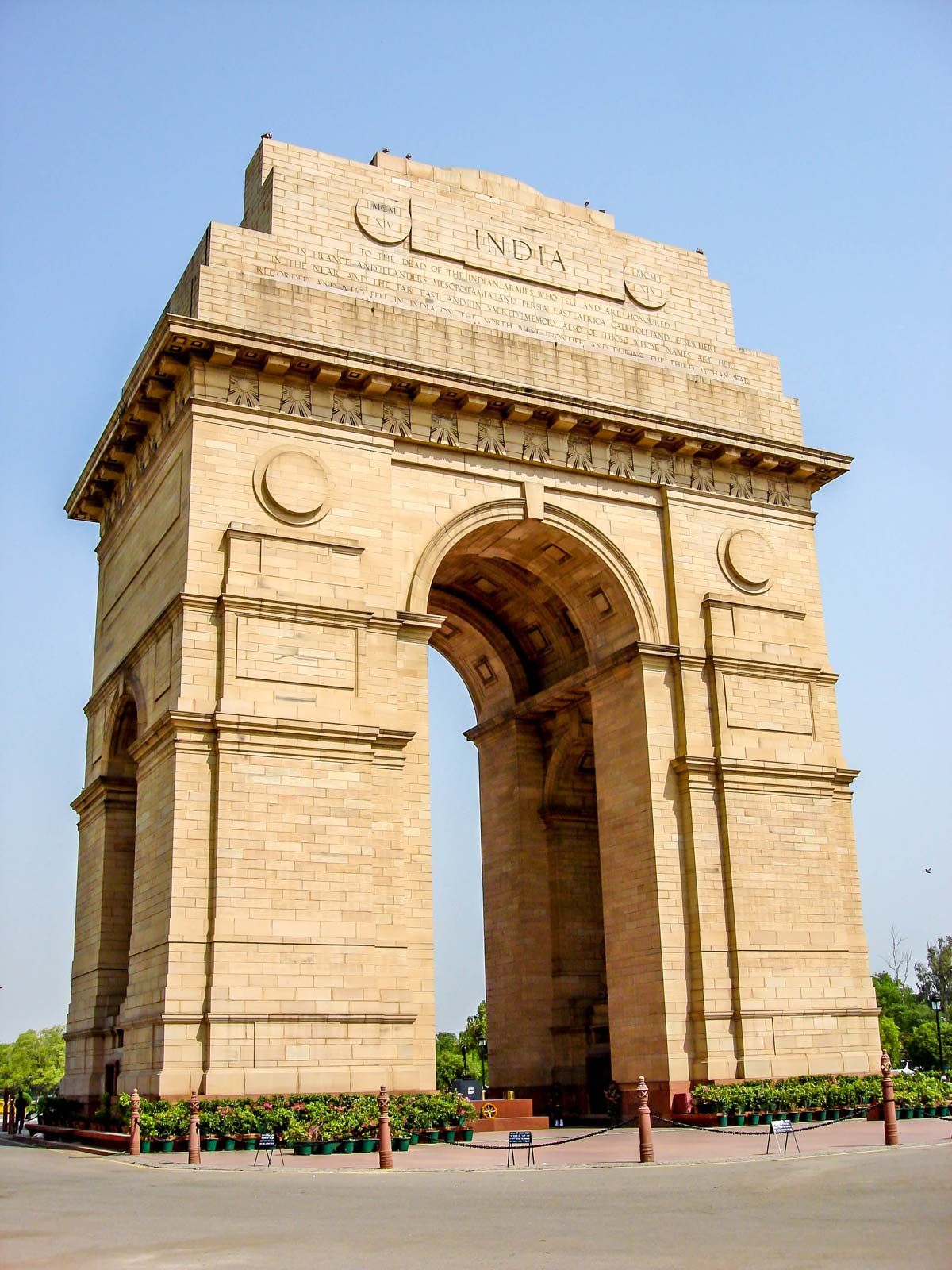
India Gate
War memorial located astride the Rajpath.
Red Fort
Historic fort in the city of Delhi.
Qutub Minar
Minaret that forms part of the Qutb complex.
Lotus Temple
Bahá'í House of Worship notable for its flowerlike shape.
Humayun's Tomb
Tomb of the Mughal Emperor Humayun.