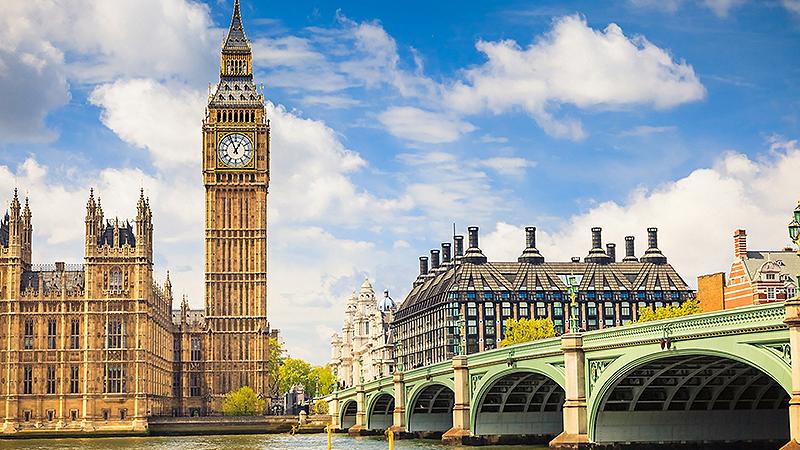
London
The capital of England and the United Kingdom, a 21st-century city with history stretching back to Roman times.
Police
999
Ambulance
999
Tourist Police
101
Risk Map & Attractions
Common Scams
The Rickshaw Rip-Off
Unlicensed rickshaw drivers, often found near major tourist attractions, will offer short rides for what seems like a reasonable price, but upon arrival, they demand an exorbitant fare, sometimes hundreds of pounds, and can become aggressive if the tourist refuses to pay. They often lack proper licensing and insurance.
Only use licensed black cabs or ride-sharing apps like Uber. Confirm the fare or ensure the meter is running before starting the journey. Never agree to a fixed price unless it's a pre-booked service.
The Moped Mugging
Thieves on mopeds or scooters target pedestrians, especially those near the curb, snatching mobile phones, bags, and other valuables in a drive-by attack. This is a fast and aggressive crime that can result in injury.
Be aware of your surroundings, especially when walking near the road. Do not use your phone while walking in crowded areas. Keep bags and phones securely tucked away or held on the side away from the street.
The 'Free' Hug/Photo Offer
Individuals dressed in costumes (e.g., cartoon characters, historical figures) or simply acting overly friendly will offer a 'free' hug or photo opportunity. Once the interaction is complete, they aggressively demand a large tip or payment, often intimidating tourists into paying.
Politely but firmly decline any unsolicited offers for photos or physical contact from street performers or costumed individuals. Do not engage with them.
The Fake Charity Collector
Scammers, often carrying clipboards and wearing lanyards, approach tourists in busy areas asking for signatures or donations for a fake charity. This is a distraction technique used to pickpocket the victim while they are focused on the clipboard, or to steal their credit card details.
Never sign anything or give money to street collectors. Legitimate charity collectors are usually in designated, well-marked areas. Keep your wallet and phone secure and out of sight.
The Oyster Card 'Help'
At Tube stations, a scammer will pretend to be a helpful local or transport employee and offer to assist a tourist with buying an Oyster card or topping it up. They either swap the tourist's card for a fake/empty one, or use the distraction to steal their bank card or PIN.
Only use official Transport for London (TfL) staff for assistance. Use the self-service machines yourself and cover the keypad when entering your PIN.
The Bottleneck Scam (Tube/Bus)
A group of scammers creates a deliberate 'bottleneck' at the entrance or exit of a Tube carriage or bus, often by pretending to struggle with a large bag or blocking the door. While the victim is distracted and trying to push past, an accomplice pickpockets them.
Be vigilant in crowded transport areas. Keep bags zipped and in front of you. If you feel a sudden, unnecessary crush, immediately check your valuables.
The Restaurant/Bar 'Accidental' Overcharge
In some tourist-heavy pubs or restaurants, staff may 'accidentally' add extra items to the bill, charge a higher price than listed on the menu, or process a credit card transaction for a higher amount than authorized, hoping the tourist won't notice.
Always check your bill carefully before paying. If paying by card, check the amount displayed on the terminal before entering your PIN or tapping.
The 'Found' Ring/Wallet Distraction
A scammer 'finds' a gold ring or a wallet on the ground near the tourist and asks if it belongs to them. When the tourist says no, the scammer tries to give it to them, creating a distraction that allows an accomplice to pickpocket the tourist's real valuables.
Ignore anyone who tries to engage you with a 'found' item. Walk away immediately and do not stop to talk or examine the item.
The Unlicensed Ticket Reseller
Scammers sell fake or heavily marked-up tickets for popular attractions, theatre shows, or transport (like the Gatwick Express) near the venue or station. The tickets are either invalid or sold at an extortionate price.
Only purchase tickets from official box offices, the venue's website, or authorized, reputable ticket agents. Never buy tickets from street vendors.
The Rogue Wi-Fi Hotspot
Scammers set up fake, unsecured Wi-Fi networks with names like 'Free London Wi-Fi' in public places. When tourists connect, the scammers can intercept their data, including passwords, credit card numbers, and personal information.
Avoid using public, unsecured Wi-Fi for sensitive transactions. Use a Virtual Private Network (VPN) or stick to your mobile data connection.
The Taxi 'Broken Meter' Scam
An unlicensed or rogue taxi driver claims their meter is 'broken' and insists on a fixed, inflated fare that is significantly higher than the actual cost of the journey. They may also take a deliberately long route.
Only use licensed black cabs or pre-booked minicabs/ride-shares. If a black cab driver claims the meter is broken, get out and find another taxi. Note the cab's license number if you feel threatened.
Safe Attractions
Big Ben
The nickname for the Great Bell of the striking clock at the north end of the Palace of Westminster.
London Eye
A cantilevered observation wheel on the South Bank of the River Thames.