Police
999
Ambulance
999
Tourist Police
8000 8001
Risk Map & Attractions
Common Scams
The Unmetered Taxi Ride
Taxi drivers, particularly those operating near the airport (Bahrain International Airport, Muharraq) and major hotels in Manama, will refuse to use the meter, claiming it is broken or that a flat rate is mandatory for tourists. They then quote an inflated fare, often 2-3 times the actual metered price, targeting tourists unfamiliar with local rates.
Insist on the meter being used or agree on the fare *before* getting in. Better yet, use ride-hailing apps like Uber or Careem, or pre-book a taxi through your hotel. Note the taxi number and company name.
The Nightclub Overcharge Trap
Tourists, especially single men, are lured into certain nightclubs or bars in areas like Juffair by friendly touts or women. Once inside, they are pressured to buy expensive drinks or 'hostess' services. Upon leaving, they are presented with an exorbitant bill, sometimes thousands of dinars, and are intimidated into paying, often with their credit card being charged multiple times.
Be extremely cautious of unsolicited invitations to bars or clubs, especially in the Juffair area. Always check the price list before ordering and pay for each drink as you go. Never hand over your credit card out of sight. If intimidated, call the police (999) or your embassy immediately.
Counterfeit Pearl Sales
Taking advantage of Bahrain's historical reputation for natural pearls, vendors in the souqs and along the Pearling Path in Muharraq sell fake, plastic, or glass pearls as genuine. They use convincing sales pitches and quote prices that seem like a bargain for real pearls (e.g., 30-50 BHD) but are a massive overcharge for the counterfeit item.
Only purchase pearls from certified, reputable jewelers with a 'Bahrain Pearls' certification. Genuine pearls have a gritty texture when rubbed against your teeth. Research the market price for real pearls beforehand and demand a receipt with a guarantee.
The Fake Tour Guide at the Fort
Unlicensed individuals loiter around major historical sites, particularly the Bahrain Fort (Qal'at al-Bahrain), offering 'exclusive' or 'official' guided tours for a fee (e.g., 10-20 BHD). They provide inaccurate information and may pressure tourists into buying overpriced trinkets or demanding extra tips at the end.
Decline all unsolicited guide offers. Only use official guides who wear visible identification badges from the Bahrain Authority for Culture and Antiquities, or book tours through a reputable agency. The site is easy to navigate independently.
ATM Skimming and Card Trapping
Criminals install sophisticated skimming devices and hidden cameras on ATMs in high-traffic tourist areas and shopping malls. These devices capture card details and PINs, leading to unauthorized withdrawals or purchases. Sometimes, a 'Lebanese Loop' or similar device is used to trap the card, and a 'helpful' scammer will offer assistance to steal the card or PIN.
Use ATMs located inside secure bank lobbies during business hours. Inspect the card slot and keypad for any loose or unusual attachments. Cover the keypad with your hand when entering your PIN. Monitor your bank statements closely.
The Detour Taxi Scam
A variation of the unmetered taxi scam where the driver agrees to use the meter but then takes a significantly longer, circuitous route to inflate the fare. They may claim road closures, heavy traffic, or simply take advantage of the tourist's lack of local knowledge.
Use a GPS app (like Google Maps or Waze) on your phone to monitor the route in real-time. If the driver deviates significantly without a valid reason, politely but firmly point out the correct route. If they refuse, threaten to report them to the police or the taxi company.
Inflated Souq Prices (Aggressive Bargaining)
While bargaining is expected in the Manama Souq, some vendors will quote wildly inflated starting prices (e.g., 500% markup) for items like spices, textiles, or souvenirs. They use aggressive, high-pressure tactics to wear down the tourist and make them feel like they got a 'deal' when they still paid an excessive price.
Research the typical price range for items before shopping. Be prepared to walk away—there are many other vendors. Aim to pay no more than 30-50% of the initial asking price. Shop around before making a purchase.
The 'Special' Currency Exchange Rate
Unofficial money changers or helpful individuals approach tourists offering a 'special' exchange rate better than the banks. They may use sleight of hand to shortchange the tourist, or the currency they provide may be counterfeit or from a country with a much lower value.
Only exchange currency at official, licensed exchange houses, banks, or at your hotel. Never deal with street vendors or unsolicited individuals offering currency exchange services. Count your money immediately and discreetly.
Fake Traffic Fine Phishing Scam
Tourists may receive a text message or email, sometimes even a fake printed notice left on a rental car, claiming they have an unpaid traffic fine. The notice directs them to a fraudulent website to pay the fine, thereby stealing their credit card information.
Ignore all unsolicited messages regarding traffic fines. Official fines are typically handled through the Ministry of Interior's official channels. If you suspect a fine, check with your rental car company or the nearest police station directly. Never click on links in suspicious messages.
The 'Free' Gift or Sample Scam
In crowded areas like malls or outside tourist attractions, a friendly person approaches a tourist and offers a 'free' gift, sample, or small item (e.g., a flower, a bracelet). Once the tourist accepts, the scammer becomes aggressive and demands a large payment for the 'gift', often causing a scene to pressure the victim.
Politely but firmly refuse any unsolicited 'gifts' or 'samples' from strangers. Do not engage in conversation and keep walking. If they persist, raise your voice and draw attention to the situation.
The Gold Bar/Jewelry Scam
Scammers, sometimes working in pairs, approach tourists claiming to be in desperate need of money and offering to sell 'genuine' gold bars or high-value jewelry at a fraction of the market price. The items are almost always counterfeit, made of cheap metal with a thin gold plating.
Never purchase gold or high-value jewelry from street vendors or private individuals. Only buy from established, reputable jewelers in the Gold Souq or major malls. If a deal seems too good to be true, it is a scam.
Safe Attractions
Bahrain National Museum
Museum covering 5,000 years of Bahrain's history.
Bab Al Bahrain
Historical building located at the entrance to the Manama Souq.
Al Fateh Grand Mosque
One of the largest mosques in the world.
Qal'at al-Bahrain
Ancient harbor and capital of Dilmun.
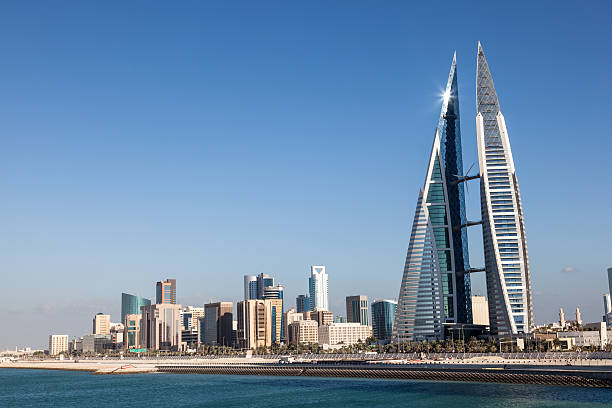
Bahrain World Trade Center
Twin towers with wind turbines.