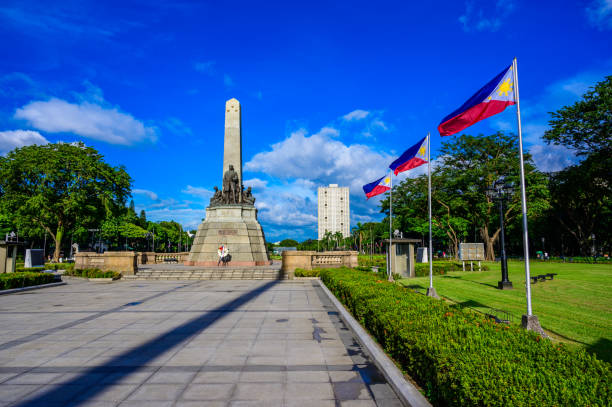
Manila
The capital of the Philippines, a densely populated bayside city on the island of Luzon.
Police
117
Ambulance
117
Tourist Police
(02) 524 1611
Risk Map & Attractions
Common Scams
The Tanim-Bala (Bullet-Planting) Scam
Airport security personnel allegedly plant a single bullet in a passenger's luggage during screening. The passenger is then detained and threatened with criminal charges for illegal possession of ammunition, which can only be resolved by paying a hefty bribe (laglag-bala). This scam primarily targets foreign tourists and overseas Filipino workers (OFWs).
Wrap your luggage in plastic at the airport. Never leave your bags unattended. If a bullet is 'found,' immediately and loudly demand a lawyer and contact your embassy. Do not pay any money.
Taxi Meter Tampering and Fixed Fares
Taxi drivers either refuse to use the meter, insisting on an exorbitant 'fixed rate,' or use a tampered meter that runs significantly faster than normal, causing the fare to skyrocket. This is especially common for rides originating from the airport or major tourist hubs.
Use ride-hailing apps like Grab for transparent pricing. If taking a taxi, insist on the meter and check that the flag-down rate is correct. Take a photo of the driver's ID and plate number before getting in.
The Kalesa (Horse-Drawn Carriage) Overcharge
Kalesa drivers (kutseros) in the historic district will offer a short tour for a seemingly low price. Once the ride is over, they demand an outrageously high fee, sometimes thousands of pesos, claiming the initial price was per person, per minute, or only for a fraction of the tour.
Agree on the total price for the entire group and the full duration/route *before* getting on the carriage. Write down the agreed price or record the conversation. It is safer to use a licensed tour guide or walk.
The Budol-Budol Gang (Hypnosis/Distraction Scam)
A group of scammers (the 'Budol Gang') uses psychological manipulation, often described as a form of hypnosis or mind control, to convince the victim to hand over their valuables, jewelry, or withdraw large sums of cash from an ATM. The victim often only realizes they've been scammed hours later.
Be wary of overly friendly strangers who approach you in public and try to engage you in a complex conversation or business deal. Never go with a stranger to an ATM or hand over your belongings.
Pickpocketing in Crowded Markets
Pickpockets, often working in teams, target tourists in extremely crowded areas. One person distracts the victim (e.g., by bumping into them or spilling something) while another swiftly steals wallets, phones, or other valuables from pockets or bags.
Use anti-theft bags or wear your backpack on your front. Keep wallets and phones in front pockets or a money belt. Avoid wearing expensive jewelry or flashing large amounts of cash.
The Bar/Nightclub Inflated Bill Scam
Tourists are lured into a bar or nightclub, often in the Malate or Ermita districts, by friendly locals or touts. After ordering a few drinks, they are presented with an astronomical bill, sometimes thousands of pesos, and are intimidated into paying it.
Avoid going to unfamiliar bars with strangers. Stick to reputable, well-known establishments. Always check the price list before ordering and keep track of your consumption.
The Money Changer Shortchange
Dishonest money changers, particularly those operating in unofficial kiosks or on the street, will offer a slightly better rate to lure tourists. They then use sleight-of-hand to shortchange the customer, often by bundling the money with a rubber band and palming some bills.
Only exchange money at reputable banks or licensed money changers inside major malls. Count the money carefully in front of the teller before leaving the counter.
The 'Walk and Talk' Luneta Park Scam
A friendly local approaches a tourist in Luneta Park, strikes up a conversation, and suggests a walk or a meal. The conversation eventually leads to a sob story or a request for money, or the tourist is led to a remote location where they are robbed or scammed.
Be polite but firm in declining offers from strangers to be your guide or companion. Do not share personal information or agree to go to a second location with someone you just met.
The Fake Police/Inspection Scam
Individuals posing as plainclothes police officers or government inspectors stop tourists on the street, claiming they are conducting a random inspection for drugs or counterfeit money. They demand to see the tourist's wallet or passport, using the opportunity to steal cash or documents.
Always ask for official identification. Do not hand over your wallet or passport. Insist on going to the nearest police station or your hotel lobby to conduct the 'inspection.'
The Tricycle/Pedicab Overcharge
Tricycle and pedicab drivers, especially those waiting near tourist spots, will quote an extremely high fare for a very short distance, knowing tourists are unfamiliar with local rates. They may also refuse to move until the inflated fare is paid.
Always agree on the fare *before* getting in. Ask a local or your hotel staff for the standard rate to your destination. Use ride-hailing apps for longer distances or stick to main roads.
Safe Attractions
Intramuros
The historic walled area within the city of Manila.
Rizal Park
A historical urban park located along Roxas Boulevard.