Police
102
Ambulance
103
Tourist Police
102
Risk Map & Attractions
Common Scams
The Airport Hustle (Taxi Scam)
Unlicensed or 'gypsy' taxi drivers at airports and train stations will approach tourists and offer a ride, then charge exorbitant, non-negotiable fares, often 5-10 times the standard rate. They may refuse to use a meter or claim it's broken.
Always pre-book a taxi through a reputable app (like Yandex Go) or use official airport transfer services. Never accept a ride from a driver who approaches you inside the terminal or station.
The Document Check (Fake Police)
Scammers dressed as police officers (sometimes with fake IDs) will stop tourists, demand to see their passport and visa, and then claim there is a problem with the documents. They will then 'fine' the tourist on the spot, often taking all the cash in their wallet, or even 'confiscating' the wallet to steal money and return it later.
Never hand over your original passport or wallet. Carry a photocopy of your passport and visa. Politely insist on going to the nearest police station to resolve the issue. Real police rarely stop tourists for random checks and will not demand cash fines on the street.
The Crowded Square Snatch (Pickpockets)
In extremely crowded areas, skilled pickpockets work in teams to distract tourists. One person might bump into you, spill something, or ask for directions while another quickly dips into your bag or pocket. They target tourists who are distracted by sightseeing or navigating.
Keep valuables in a secure, zipped inner pocket or a cross-body bag worn in front. Be extra vigilant in crowded places like the Metro during rush hour, Red Square, and inside GUM. Avoid keeping wallets or phones in back pockets.
The Inflated Tab (Bar/Nightclub Scam)
Tourists, particularly men, are lured into bars or nightclubs by attractive women ('date' or 'escort' scam). After a short time, the tourist is presented with an astronomical bill for drinks they didn't order or for bottles of expensive champagne. Bouncers or intimidating staff ensure the bill is paid, often by forcing the victim to use their credit card or withdraw cash from an ATM.
Be wary of unsolicited invitations to bars or clubs from strangers. Stick to well-known, reputable establishments. Always check the price list before ordering and keep track of your tab. Never hand over your credit card out of sight.
The Bolshoi Rip-off (Ticket Touts)
Unlicensed ticket touts operate near major venues like the Bolshoi Theatre, selling counterfeit or vastly overpriced tickets for popular shows. The tickets may be fake, for poor seats, or simply not valid, leaving the tourist stranded and out of pocket.
Only purchase tickets from the official box office of the venue or from authorized, reputable online vendors. Never buy tickets from street vendors, regardless of how convincing they appear.
The Hidden Fee Exchange (Currency Scam)
Unofficial or small, non-bank currency exchange kiosks advertise very favorable exchange rates to draw in customers. Once the transaction is complete, the tourist discovers a massive hidden commission or fee has been deducted, or they are given a stack of old, unusable, or counterfeit bills.
Only exchange currency at official bank branches or at major, reputable exchange offices. Always ask for the final amount you will receive *after* all commissions and fees have been applied, and count the money immediately.
The Costumed Character Trap (Photography Scam)
Individuals dressed in historical costumes (e.g., Peter the Great, Lenin) or as animals will pose for a photo with tourists. After the photo is taken, they become aggressive and demand an exorbitant fee, often intimidating the tourist into paying a large sum of money.
Avoid taking photos with costumed characters unless you have agreed on a price beforehand. If approached, politely but firmly decline. If you must take a photo, have small change ready and agree on the price first.
The Shell Game Hustle (Street Gambling)
A group of people (scammers and their accomplices) run a street gambling game, typically the 'shell game' or 'three-card monte.' They make it look easy to win, but the game is rigged. Tourists who bet are quickly relieved of their cash, often with the help of the accomplices who pretend to be winning big.
Never participate in any form of street gambling. Walk away immediately. The game is always rigged, and the people around the table are almost always part of the scam.
The Card Clone (ATM Skimming)
Criminals install skimming devices and hidden cameras on ATMs, particularly those in less secure, non-bank locations. When a tourist uses the ATM, the device captures the card data, and the camera records the PIN, allowing the criminals to create a clone of the card and drain the bank account.
Only use ATMs located inside secure bank lobbies or well-lit, busy areas. Before using, check the card slot and keypad for any loose or suspicious attachments. Cover the keypad with your hand when entering your PIN.
The Museum Overcharge (Fake Guides)
Unlicensed individuals loiter near the entrances of popular museums and historical sites, offering their services as 'official' guides. They charge high fees for a tour that is often inaccurate, incomplete, or simply a way to distract the tourist while an accomplice pickpockets them. They may also try to sell fake 'skip-the-line' access.
Book tours and guides only through official museum websites, reputable travel agencies, or your hotel. Ignore unsolicited offers from guides on the street. Always buy your entrance ticket directly from the museum's ticket office.
The Fake Petition/Charity
A person, often a young woman, will approach tourists with a clipboard, asking them to sign a petition for a fake charity or cause (e.g., for the deaf or disabled). While the tourist is distracted signing, an accomplice pickpockets them or the 'petitioner' demands a large 'donation' after the signature is given.
Ignore anyone who approaches you on the street with a clipboard or petition. Do not stop or engage with them. Keep your hands on your belongings and walk away quickly.
Safe Attractions
Red Square
City square in Moscow.
The Kremlin
Fortified complex at the heart of Moscow.
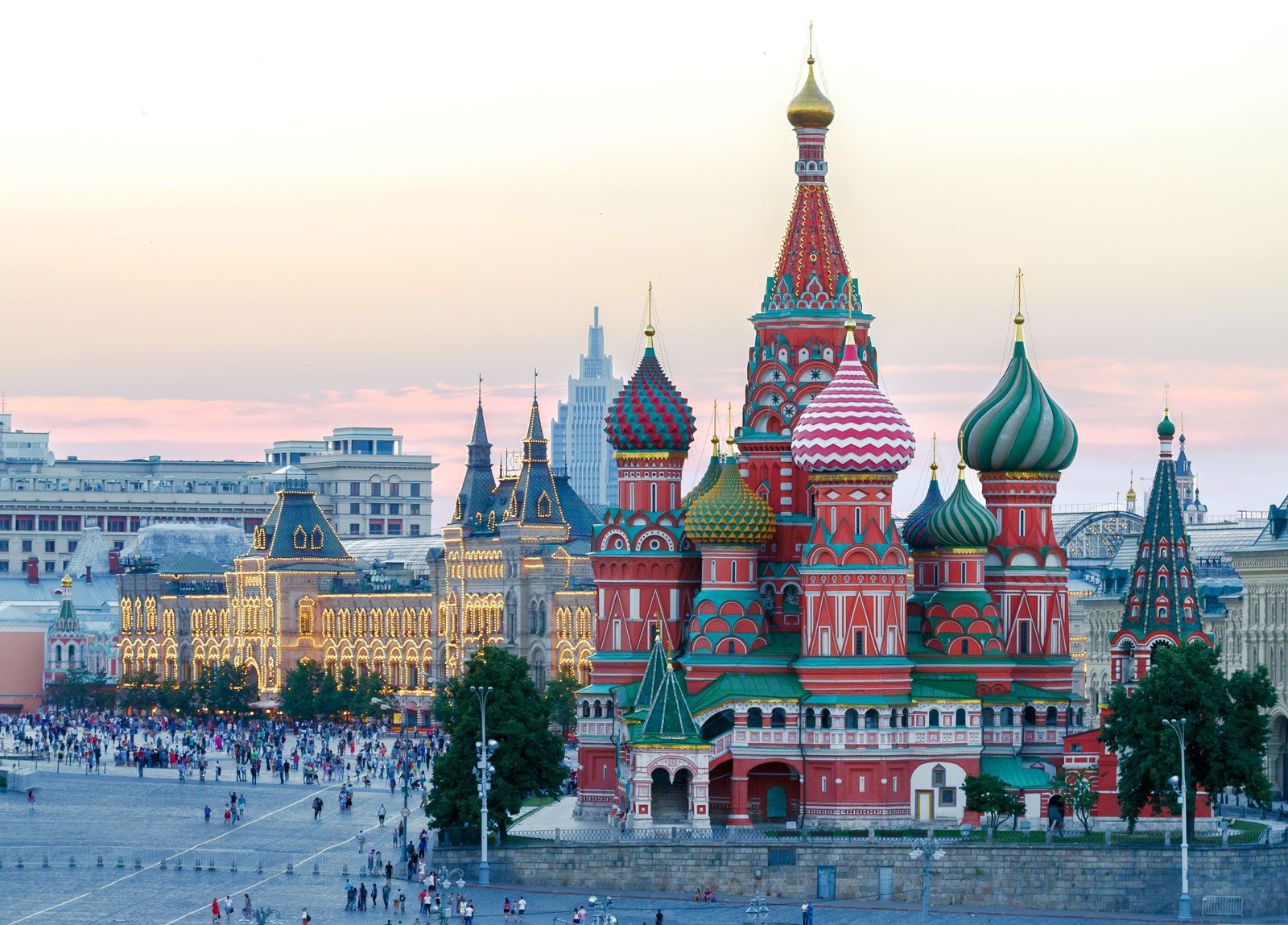
St. Basil's Cathedral
Orthodox church with colorful onion domes.
Bolshoi Theatre
Historic theatre for ballet and opera.
Moscow Metro
Rapid transit system known for its ornate stations.