Police
999
Ambulance
997
Tourist Police
999
Risk Map & Attractions
Common Scams
The 'Broken Camera' Picture Scam
A scammer, often with an accomplice, approaches a tourist in a busy area and asks them to take a picture with their camera. As the tourist hands the camera back, the scammer intentionally drops it and aggressively demands a large sum of money for the 'broken' device. The camera is often already damaged or a cheap prop.
Politely decline to take photos for strangers using their equipment. If you must, ensure the exchange is quick and in a public, well-lit area. Never pay on the spot; call the police (999) if threatened.
ATM Card Trapping and Theft
Scammers tamper with the ATM's card slot, causing the tourist's card to get stuck. They may pretend to be helpful bystanders, advising the tourist to go inside the bank or call a number. Once the tourist leaves, the scammer retrieves the trapped card and uses it to withdraw cash or make purchases.
Only use ATMs located inside secure bank lobbies or major shopping malls. Inspect the card slot for any unusual attachments before inserting your card. If your card is stuck, do not leave the machine; immediately call your bank and the local police (999).
The Distraction 'Bird Poop' Pickpocket
An accomplice covertly splatters a white, foul-smelling substance (often a mix of mustard or paint) onto the tourist's clothing or shoulder. A 'helpful' stranger immediately rushes over to assist in cleaning the mess, using the distraction to pickpocket wallets, phones, or other valuables.
If you are 'splattered,' immediately move away from the area and clean yourself in a private, secure location like a shop restroom. Do not allow strangers to touch or clean you.
Unmetered Taxi Fare Gouging
Unlicensed or unscrupulous taxi drivers, particularly those waiting at the airport or major hotels, refuse to use the meter. They demand an exorbitant, fixed fare, or take a deliberately long, circuitous route to inflate the final price, often targeting tourists unfamiliar with local rates.
Always use ride-sharing apps like Uber or Careem, which are widely available and safer. If using a taxi, insist the driver uses the meter and follow the route on a GPS app like Google Maps.
The 'Guessing Game' Shell Trick
A group of scammers runs a street gambling game (e.g., a shell game or 'find the ball' trick) in a crowded area. Accomplices pretend to win money to lure in tourists. While the tourist is focused on the game, other members of the group pickpocket them.
Ignore all street gambling games. They are illegal and designed to distract you. Keep your valuables secured and be aware of your surroundings in crowded public spaces.
Inflated Restaurant/Cafe Bill Scam
Tourists are lured into a restaurant or cafe by friendly touts or new 'friends.' Upon receiving the bill, the prices are drastically inflated, or extra items have been added. This is a common scam in countries where alcohol is prohibited, sometimes substituting for the 'bar scam.'
Always check the menu and prices before ordering. If a server refuses to show a menu with prices, leave immediately. Review the bill carefully before paying.
Fraudulent Online Vehicle Sales
Scammers post fake advertisements for vehicles on local classified websites, often targeting expats or long-term visitors. They demand a deposit or full payment upfront, promising to deliver the car, but then disappear with the money. This scam is often run by organized rings.
Never pay for a vehicle sight-unseen. Insist on meeting in person, inspecting the vehicle, and completing the transaction through a registered, trusted intermediary or bank.
Fake Rental Property and Deposit Scam
Fraudsters list non-existent or already-rented apartments on popular rental platforms (like Ejar or local groups). They pressure tourists or new residents to pay a security deposit or first month's rent quickly to 'secure' the property, then vanish. The actual price may also be misrepresented.
Never pay a deposit before physically viewing the property and verifying the landlord's identity and ownership documents. Use only official, government-regulated rental platforms and licensed real estate agents.
Counterfeit Gold Bullion Sales
Scammers sell fake or low-quality gold bullion and jewelry, often through online stores or unofficial street vendors, claiming deep discounts. The items are typically brass or plated metal, and the fraud is only discovered later when the buyer attempts to sell or appraise the item.
Only purchase gold and jewelry from reputable, licensed dealers in established gold souqs or malls. Insist on a receipt and a certificate of authenticity. Be wary of heavily discounted offers.
The 'Sob Story' Begging Fraud
Individuals, sometimes with children, approach tourists with elaborate, often fabricated, stories of medical emergencies, lost passports, or homelessness. They may show forged documents or medical reports to elicit sympathy and cash donations.
Do not give money to street beggars. If you wish to help, donate to official, registered Saudi charities. Report aggressive or suspicious beggars to the police (999).
Safe Attractions
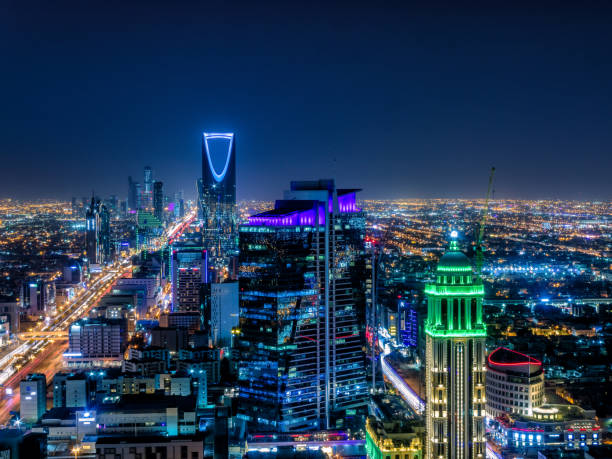
Kingdom Centre
Skyscraper with a sky bridge offering city views.
Masmak Fortress
Clay and mud-brick fort in the old city.
National Museum
Primary custodian of the Saudi national heritage and culture.
Diriyah
Historic district and UNESCO World Heritage Site.
Riyadh Boulevard City
Entertainment complex with restaurants and events.