Police
911
Ambulance
911
Tourist Police
2258-1008
Risk Map & Attractions
Common Scams
The 'Broken' Taxi Meter
Official red taxis in San José are required to use a meter (called the 'Maria'). Drivers will often claim the meter is broken ('no funciona') or simply not turn it on, then charge tourists an inflated, non-metered fare. This is especially common for rides from the airport or late at night.
Always insist the driver turn on the meter. If they refuse or claim it's broken, get out and find another taxi or use a ride-sharing app like Uber. Only use official red or orange (airport) taxis.
The Distraction Robbery
Scammers work in teams. One person will approach a tourist, often asking for directions or money in broken English, creating a distraction. While the tourist is focused on the first person, an accomplice will quickly pickpocket or snatch a bag/phone.
Be wary of strangers who approach you on the street, especially in crowded areas. Ignore them and keep walking, even if it feels rude. Wear backpacks on your front and keep valuables secured in a money belt or inside pocket.
The 'Buses Aren't Running' Lie
Taxi drivers, particularly those waiting at the airport or bus terminals, will tell tourists that the public buses to their destination (or a specific bus station) are not operating, are sold out, or have been canceled. They then offer an expensive private ride as the only alternative.
Do not accept their offer. Always go inside the bus station (like Terminal 7-10) and check the schedule and ticket availability for yourself. Pre-book shuttle services for peace of mind.
The Corrupt Police 'Donation'
Corrupt individuals, sometimes in uniform, may pull over rental cars or stop tourists on the street. They will invent a minor infraction and demand an on-the-spot 'fine' or 'donation' (typically $10-$50 USD) to avoid a ticket or further trouble. This is illegal.
Never pay a bribe. Politely ask for the officer's badge number and name, and state that you will pay the fine at the police station. If possible, take a photo of the officer and their badge. Report the incident to the tourism board (ICT).
The 'Gringo Price' Overcharge
Some small, non-official vendors, souvenir shops, and local restaurants will charge foreigners (gringos) a significantly higher price than they would charge a local for the same item or service. This is especially true if prices are not clearly marked.
Ask for the price before ordering or purchasing. If you suspect an overcharge, politely ask to see a menu or price list. Observe what locals are paying. Have small denominations of local currency (Colones) ready.
Credit Card Skimming at Gas Stations
Gas stations in Costa Rica are full-service. When paying with a credit card, the attendant may take your card out of sight to process the payment, or use a portable terminal that has been tampered with to skim your card information.
Always ask the attendant to bring the portable card reader to your car, or get out and accompany them to the cashier. Never let your card leave your sight. Check your bank statements frequently for unauthorized charges.
Hidden Fees in 'Cheap' Car Rentals
Online car rental companies advertise extremely low rates, but omit mandatory insurance, taxes, and hidden fees. Upon arrival, the final price is significantly higher (often 3-5 times the quoted rate), forcing the tourist to pay or be stranded.
Only book with reputable companies that are transparent about the mandatory third-party liability insurance (TPL). Always get a final, all-inclusive quote via email before arriving. Use a credit card that offers rental car insurance to waive other optional coverages.
Unlicensed Tour Guide Harassment
At the entrance to popular national parks or in tourist hubs, unlicensed individuals will aggressively try to sell their services as a guide. They often lack proper training, certification, and insurance, and may provide incorrect information or lead tourists to unsafe areas.
Only hire guides from certified, reputable tour companies or ask to see the guide's official ICT (Costa Rican Tourism Institute) badge and certification before accepting their services.
The ATM 'Helper' Scam
A seemingly helpful local will approach a tourist struggling with an ATM, offering assistance. While 'helping,' they either distract the tourist to steal the card, memorize the PIN, or swap the card with a non-working one.
Only use ATMs located inside a bank during business hours, preferably with a security guard present. Never accept help from strangers at an ATM. Cover the keypad when entering your PIN.
Sketchy Online Vacation Rentals
Scammers create professional-looking websites or fake listings on legitimate platforms for non-existent or misrepresented properties. Tourists pay a deposit or the full amount, only to find the property is not as advertised, is dirty, or the 'owner' disappears upon arrival.
Use well-known platforms like Airbnb or VRBO and check for a high volume of recent, positive reviews. Never wire money directly. Request a video call to see the property in real-time or ask for contact information for a previous tenant.
Safe Attractions
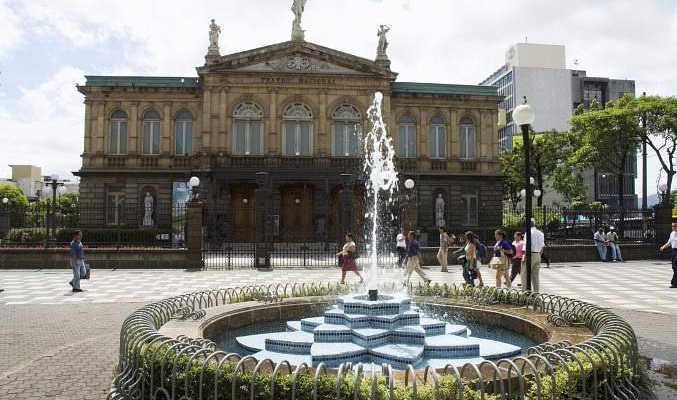
National Theatre of Costa Rica
Neoclassical theatre.
Pre-Columbian Gold Museum
Museum with a large collection of gold artifacts.
Jade Museum
Archaeological museum.
La Sabana Metropolitan Park
Largest urban park in the country.
Central Market
Bustling market with food and souvenirs.