Police
117
Ambulance
119
Tourist Police
012 969 991
Risk Map & Attractions
Common Scams
The Baby Milk Scam
A woman, often with a baby or small child, approaches tourists in busy areas like Pub Street and asks them to buy milk powder for the child instead of giving cash. The tourist is led to a specific shop where the milk is sold at an exorbitant price. The scammer and the shop owner split the profit, and the milk is often returned to the shelf to be 'bought' again by the next victim.
Politely decline and avoid buying any items for beggars. If you wish to donate, do so through a reputable, registered charity or NGO.
The Overpriced Tuk-Tuk Tour
A tuk-tuk driver offers a 'special' all-day tour of the Angkor temples at a very low price. During the day, the driver will pressure the tourist to visit specific shops, restaurants, or guesthouses where they receive a commission. They may also demand a much higher price at the end of the day, claiming the initial quote was only for a portion of the trip or for a different route.
Agree on the exact price, route, and duration in writing before starting. Use a ride-hailing app (like Grab or PassApp) for short trips, and pay only the agreed-upon fare at the end.
The Fake Ticket Agent
Scammers pose as official ticket agents or helpful locals near the Angkor Wat ticket office (Angkor Enterprise) or temple entrances. They try to sell fake, invalid, or heavily marked-up temple passes. Tourists only discover the ticket is fake when they try to enter the temple complex.
ONLY purchase Angkor passes from the official Angkor Enterprise ticket office. Ignore anyone offering to sell tickets elsewhere. The official office is located a few kilometers from the main town.
ATM Card Skimming/Cloning
Criminals install a skimming device over the card slot and a hidden camera or fake keypad over the ATM to capture card details and PINs. This is common at standalone ATMs in less-trafficked areas, allowing the criminals to clone the card and empty the bank account.
Use ATMs located inside banks or well-lit, busy areas like major hotels. Always cover the keypad when entering your PIN. Check the card slot for loose or suspicious attachments.
The Temple Touts and 'Free' Photo Scam
Unlicensed guides or touts approach tourists inside the temple grounds, offering to show them 'secret' spots or take professional-quality photos for free. After taking the photos, they demand an exorbitant fee for the service or for the digital files, often becoming aggressive if the tourist refuses to pay.
Politely but firmly decline all unsolicited offers for guiding or photography services inside the temples. Hire only licensed guides through official channels.
The Fake Monk Donation
Individuals dressed in saffron robes approach tourists, particularly near temples or busy streets, asking for donations for a monastery or a specific charity. They may offer a blessing or a small token in return. These individuals are not real monks, and the money goes directly into their pockets.
Genuine monks do not solicit money directly from tourists. Do not give money to anyone in robes who approaches you on the street. Donate only at official temple donation boxes.
The Short-Change Scam
Common in small shops, bars, and tuk-tuks, the vendor or driver will quickly return incorrect change, hoping the tourist is confused by the currency (USD and Cambodian Riel are both used) or distracted. They often claim the tourist gave a smaller bill than they actually did.
Always count your change immediately and carefully. Use small denominations of US dollars ($1, $5, $10) to minimize the need for change. Announce the value of the bill you are handing over.
The Bicycle/Motorbike Rental Damage Scam
After renting a bicycle or motorbike, the rental company secretly damages the vehicle (e.g., cuts a brake cable or punctures a tire) or claims the tourist caused pre-existing damage upon return. They then demand a huge fee for the 'repairs,' often holding the tourist's passport hostage until payment is made.
Take detailed photos and videos of the entire vehicle before renting. Use a reputable rental company. Never leave your original passport as collateral; a copy or a cash deposit is safer.
The 'Closed' Attraction Scam
A tuk-tuk driver tells the tourist that the desired attraction (e.g., a specific temple, the floating village, or a museum) is closed for a holiday, cleaning, or a private event. They then offer to take the tourist to an alternative, often a friend's shop or a heavily commissioned tourist trap.
Verify the opening hours of all attractions online before you go. If a driver claims an attraction is closed, insist on being dropped off at the entrance anyway to confirm.
The Friendly Bar Girl/Boy Scam
In bars and nightclubs, a very friendly local (often a woman or a ladyboy) will engage the tourist in conversation and encourage them to buy expensive drinks for them and their friends. When the tourist is ready to leave, they are presented with an outrageously inflated bill for the drinks they bought for the group.
Be wary of overly friendly strangers in bars. Always check the price of drinks before ordering, and keep track of your tab. Pay for your own drinks only.
The Gemstone/Investment Scam
A well-dressed, seemingly educated local strikes up a conversation, often claiming to be a teacher or government official. They tell the tourist about a 'limited-time' opportunity to buy valuable gemstones or invest in a local business that can be resold for a massive profit back home. The 'gems' are worthless fakes.
Never buy gemstones or make any investment based on a stranger's advice. All such offers are scams. Do not go with them to any 'special' shop or office.
Safe Attractions
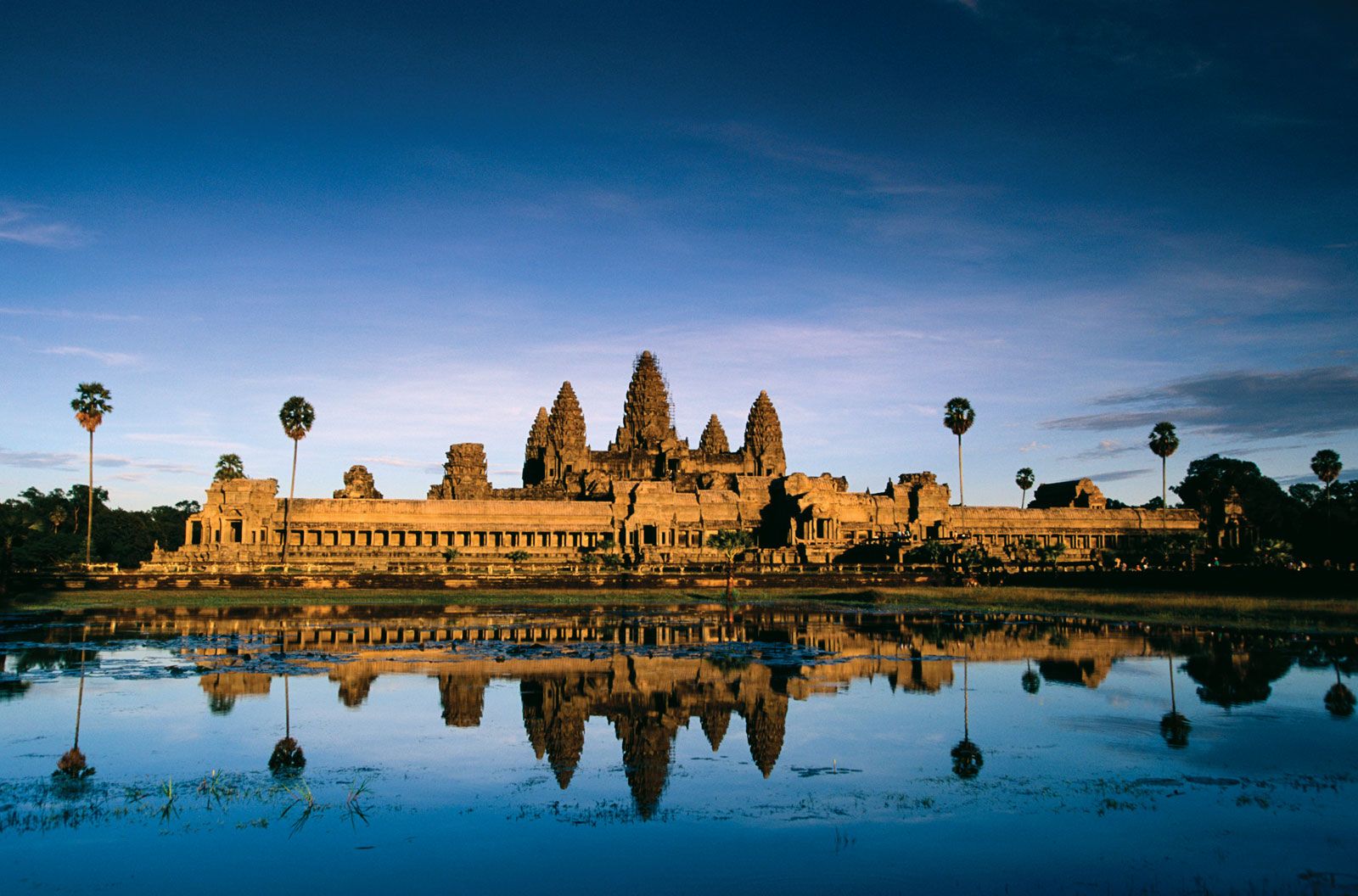
Angkor Wat
The largest religious monument in the world.
Bayon Temple
Known for its multitude of serene and smiling stone faces.
Ta Prohm
Temple famous for the trees growing out of the ruins.
Pub Street
Lively street with bars, restaurants, and night markets.
Tonle Sap Lake
Largest freshwater lake in Southeast Asia with floating villages.