Police
999
Ambulance
995
Tourist Police
1800 255 0000
Risk Map & Attractions
Common Scams
Online Travel Package Scam
Scammers create fake travel websites offering attractive packages. They lure victims into paying deposits for non-existent deals, often using local bank accounts or forged documents to appear legitimate.
Verify travel agents with the Singapore Tourism Board or the National Association of Travel Agents Singapore. Purchase packages only from authorized and reputable sources.
Fake Luxury Goods
Vendors sell counterfeit luxury items like perfumes, electronics, and branded apparel at unusually low prices. These products are often of poor quality, such as watered-down perfumes or defective electronics.
Purchase branded items from official outlet stores or authorized retailers. Be wary of deals that seem too good to be true, especially in street markets.
Restaurant Overcharging
Seafood restaurants, particularly at Boat Quay, may charge exorbitant prices for dishes with unclear pricing. Scams include misleading menu prices (e.g., "seasonal price"), serving smaller portions than advertised, or adding hidden charges.
Confirm the price and portion size before ordering. Avoid restaurants with vague menus or aggressive touts. Check online reviews before dining.
Electronics Bait-and-Switch
Unscrupulous electronics vendors at places like Sim Lim Square lure customers with low prices on gadgets, then pressure them into buying overpriced warranties or accessories. In some cases, they may swap genuine products for fakes after payment.
Research the market price of electronics before purchasing. Buy from reputable, large-chain stores. Insist on a detailed, itemized receipt and check the product before leaving the store.
The 'Fake Monk' Donation
Individuals dressed as monks approach tourists, asking for donations for a temple or charity. They may offer a trinket or a blessing in return for a 'donation', often becoming aggressive if refused.
Be aware that genuine monks in Singapore do not solicit donations on the streets. Politely decline and walk away.
Nightlife Scams
In nightlife hotspots like Clarke Quay, scammers may offer illicit services or overpriced drinks. Tourists, especially those under the influence, can be overcharged, have their drinks spiked, or their valuables stolen.
Be cautious in nightlife areas. Never leave your drink unattended and be wary of overly friendly strangers offering unsolicited help or services. Check your bill carefully before paying.
Taxi Fare Scams
While rare, some taxi drivers may take longer routes to inflate the fare, or give incorrect change, sometimes using Malaysian Ringgit instead of Singapore Dollars. Some may also refuse to use the meter and demand a high flat rate.
Use ride-hailing apps like Grab for transparent pricing. If using a taxi, ensure the meter is running. Familiarize yourself with the currency to avoid being short-changed.
Credit-for-Sex Scam
Scammers use social media platforms to befriend victims and then offer sexual services in exchange for online gift cards or credits. Once the payment is made, the scammer disappears.
Do not accept offers of sexual services online. Never send money or gift card codes to strangers you meet on social media.
Fake Ticket Sales
Scammers sell fake or invalid tickets to popular attractions and concerts, often online or near the venue. Victims only realize they've been scammed when they are denied entry.
Purchase tickets only from official websites, authorized ticket vendors, or the venue's box office. Be wary of resellers offering tickets at a significant discount.
Impersonation Scams
Scammers impersonate government officials, police officers, or bank employees, claiming there is an issue with the victim's visa, bank account, or that they have committed a crime. They then demand payment or personal information to 'resolve' the issue.
Government agencies and banks will never ask for your personal information or demand payment over the phone. Hang up and verify the call by contacting the organization through their official number.
Safe Attractions
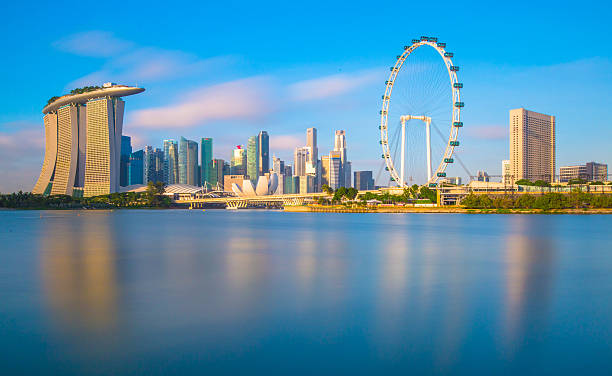
Marina Bay Sands
An integrated resort fronting Marina Bay.
Gardens by the Bay
A nature park spanning 101 hectares in the Central Region.