Police
110
Ambulance
119
Tourist Police
03-3501-0110
Risk Map & Attractions
Common Scams
The Kyakuhiki Nightlife Rip-Off
Aggressive touts (kyakuhiki) in entertainment districts lure tourists into bars or clubs with promises of cheap drinks, all-you-can-drink deals, or attractive company. Once inside, the victim is presented with an exorbitant bill for drinks, cover charges, and 'service fees' that were never disclosed. Refusal to pay can lead to intimidation or threats.
Never follow touts into a bar or club. Only visit establishments with clear, visible pricing and a good reputation. Pay attention to the menu and confirm prices before ordering.
The Fake Monk Solicitation
Individuals dressed in Buddhist monk robes approach tourists in busy areas, often near temples or shrines. They offer a small trinket, like a prayer card or bracelet, and then demand a 'donation' of a specific, often high, amount (e.g., 1,000 to 5,000 yen). They can be persistent and intimidating.
Politely but firmly refuse any item offered and walk away immediately. Legitimate monks do not solicit donations in this aggressive manner in public tourist areas.
The Dating App Bar Trap
Scammers use dating apps like Tinder or Bumble to match with tourists. After a brief chat, they suggest meeting at a specific, often obscure, bar. The tourist is then charged an outrageous amount for a single drink or a short stay, as the bar is complicit in the scam. The 'date' is an accomplice who gets a cut of the profit.
Be extremely cautious when meeting strangers from dating apps, especially if they insist on a specific, unknown bar. Suggest a well-known, reputable public location instead. Never let your date order for you.
The Taxi Detour Overcharge
While most Japanese taxi drivers are honest, a small number may target tourists by taking a deliberately long and circuitous route to inflate the fare, especially when the tourist is unfamiliar with the city or the destination. This is more common late at night or when leaving airports/train stations.
Use a navigation app (like Google Maps) to monitor the route. If you suspect a detour, politely question the driver. Use reputable taxi companies or ride-sharing apps when possible.
The Hidden 'O-toshi' Restaurant Charge
Tourists may be surprised by an unrequested appetizer or small dish (called 'O-toshi' or 'Tsukidashi') placed on their table, for which they are later charged a mandatory cover fee (typically 300-500 yen per person). While this is a common, non-scam practice in many Japanese izakayas, it becomes a scam when the charge is intentionally hidden, inflated, or presented as optional to non-Japanese speakers.
Ask about any cover charges or mandatory appetizers before being seated. If you do not want the O-toshi, politely refuse it immediately upon arrival, though this may not always be possible.
The 'Lost' Wallet/Phone Distraction
A scammer or a group of scammers will stage a distraction, such as dropping a wallet, spilling a drink, or asking for help with a map. While the tourist is distracted, an accomplice pickpockets the victim's bag or pockets. This is a classic distraction technique.
Be aware of your surroundings in crowded areas. Keep bags zipped and worn across the body. Be wary of sudden, unnecessary physical contact or distractions from strangers.
The Spiked Drink Scam
This dangerous scam involves an accomplice spiking a tourist's drink in a bar or club, often in the nightlife districts. The victim is quickly incapacitated, and the scammers then steal their valuables, empty their bank accounts, or force them to use their credit card for massive, fraudulent charges.
Never leave your drink unattended. Do not accept drinks from strangers. Only drink at reputable, well-reviewed establishments. Travel in groups and watch out for each other.
The 'Helpful' ATM Stranger
A seemingly helpful local offers assistance to a tourist struggling with an ATM, often claiming the machine is complicated or requires a special process. The 'helper' then either swaps the tourist's card, memorizes the PIN, or uses a distraction to steal the cash dispensed.
Only use ATMs inside banks or secure, well-lit areas. Never accept help from strangers at an ATM. Cover the keypad when entering your PIN.
The Fake Brand Goods Sale
Scammers sell counterfeit luxury goods (watches, bags, electronics) in tourist areas, often claiming they are 'tax-free' or 'special' deals. The goods are low-quality fakes, and the sellers disappear quickly after the transaction, leaving the tourist with no recourse.
Only purchase luxury goods from authorized retailers or department stores. If a deal seems too good to be true, it is.
The 'Closed' Restaurant Touting
A tout approaches a tourist looking for a specific, popular restaurant and tells them it is closed, full, or has a long wait. They then steer the tourist to a different, often overpriced or low-quality, establishment where they receive a commission. This is a variation of the Kyakuhiki scam focused on dining.
Verify the status of a restaurant using a phone or a trusted map app. Do not trust strangers who claim a popular spot is closed. Walk away from touts immediately.
The Photo Scam
A friendly stranger offers to take a photo of the tourist or their group at a scenic spot. While handling the tourist's phone or camera, they either run off with the device or use a distraction to pickpocket the tourist. Alternatively, they may demand a fee after taking the photo.
Be cautious about handing your phone or camera to strangers. Ask a fellow tourist or a uniformed staff member instead. Never pay a fee for an unrequested photo.
Safe Attractions
Senso-ji Temple
An ancient Buddhist temple located in Asakusa.
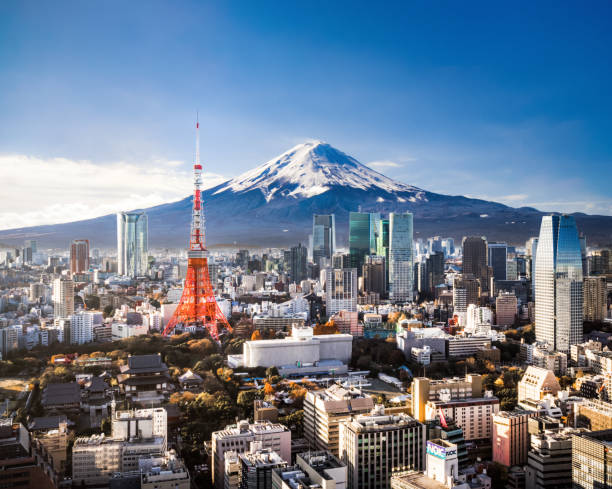
Tokyo Tower
A communications and observation tower in the Shiba-koen district.